You open the door and the smell reaches you first: damp, musty, a little sour. The clothes inside are clean, yet somehow they do not smell it. For a household that cares about fresh, beautifully kept clothes, a smelly machine is more than a nuisance.
The cause is usually simple. A washing machine is warm, wet and dark, which is exactly where residue and mildew like to settle. The reassuring part is that, in most cases, a regular deep clean and a few small habits are enough to bring a machine back to fresh.
Why washing machines smell
Odours rarely come from the clothes themselves. They come from what builds up in the machine:
- Damp door seals. Water and lint collect in the rubber folds of front loaders, and mildew can follow.
- Detergent and softener residue. Too much product leaves a sticky film in the drum, drawer and pipes.
- A clogged filter. Lint, coins and debris trap water and bacteria.
- Cool, short cycles. They are gentle on clothes but do little to clear residue.
- A closed door. Trapped moisture is the quickest route to a musty machine.
- Leaving wet washing inside. Damp clothes sour within hours.
Diagnose the smell
The type of smell gives a good clue to the cause.
| Smell | Likely cause | First step |
|---|---|---|
| Musty or damp | Mildew on the seal or in the drum | Wipe the seal; run a maintenance cycle |
| Sour or stale | Detergent and softener build-up | Clean the drawer; reduce product |
| Rotten or stagnant | Clogged filter or standing water | Clean the filter; check the drain |
| Sewage-like | Drain or plumbing problem | Check the drain hose; consider a plumber |
| Burning or electrical | A fault | Stop using the machine and call a technician |
Deep clean: six considered steps
These steps suit most front-loading machines. Top loaders follow the same logic, but check the manual for the correct cleaning cycle and filter location.
- Empty the machine and read the manual. Check which cleaning products and cycles your manufacturer recommends.
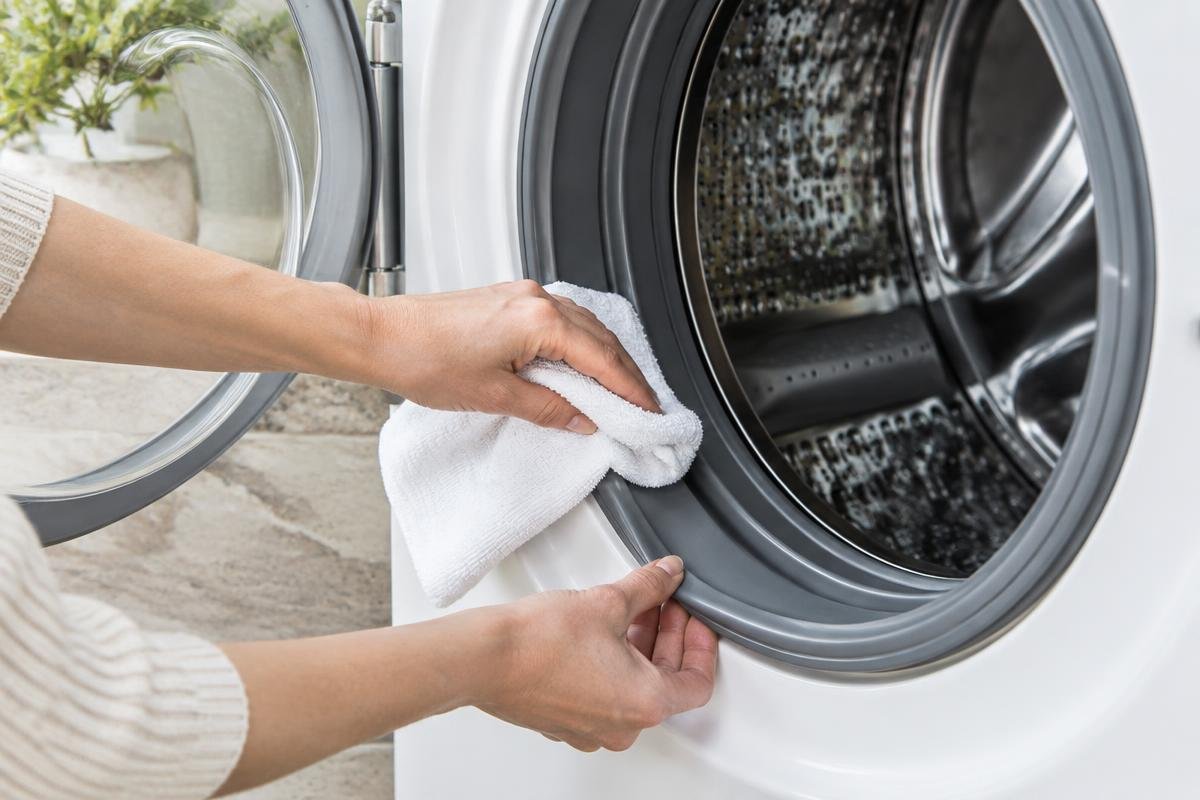
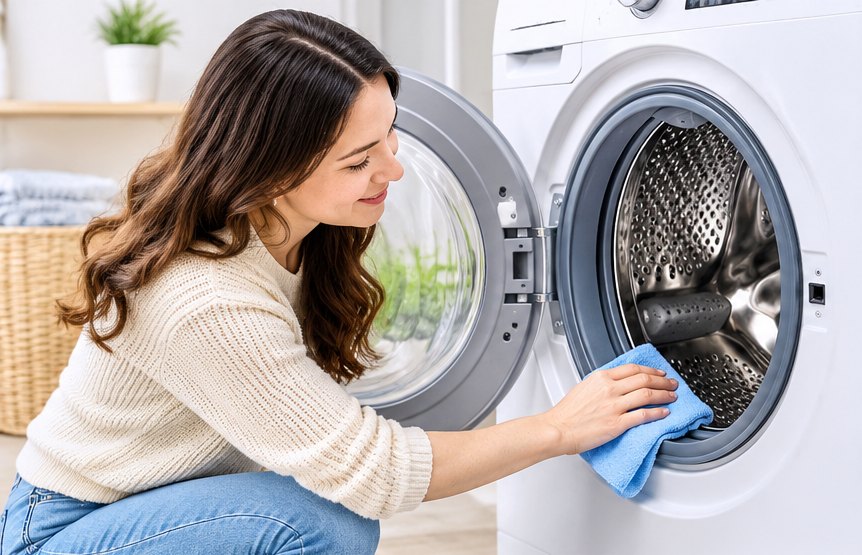
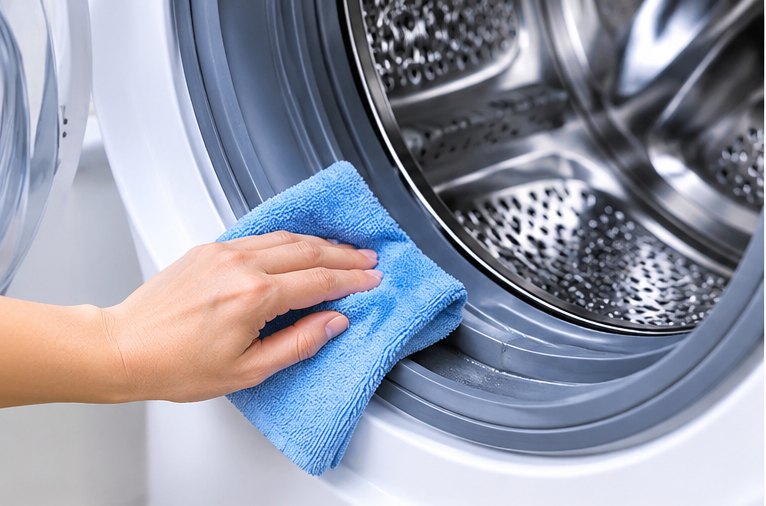
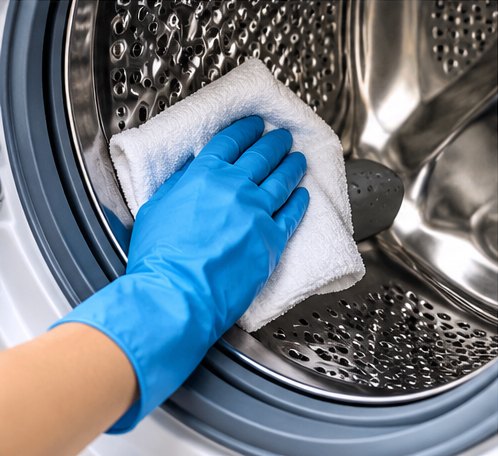
- Wipe the door seal. Gently pull back the rubber folds and remove lint, hair and any stray items. Wipe with a cloth and warm, mild soapy water.
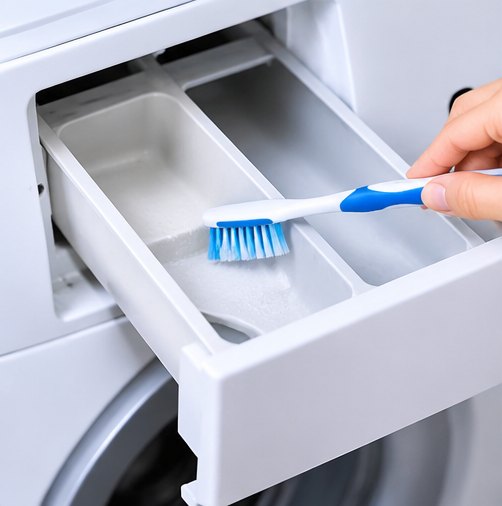
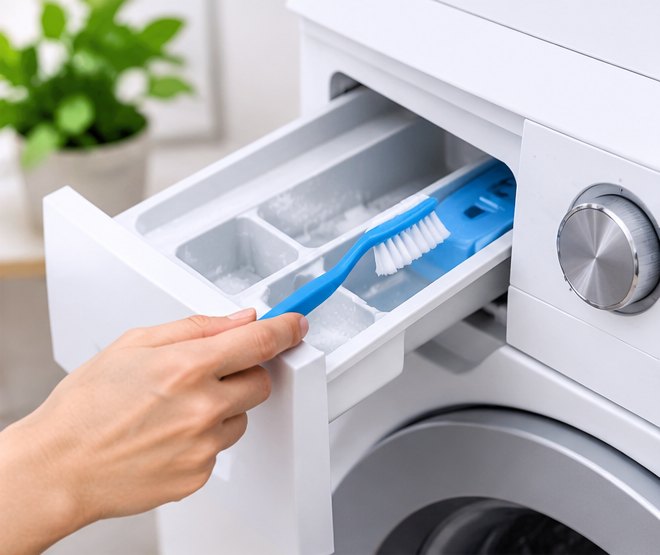
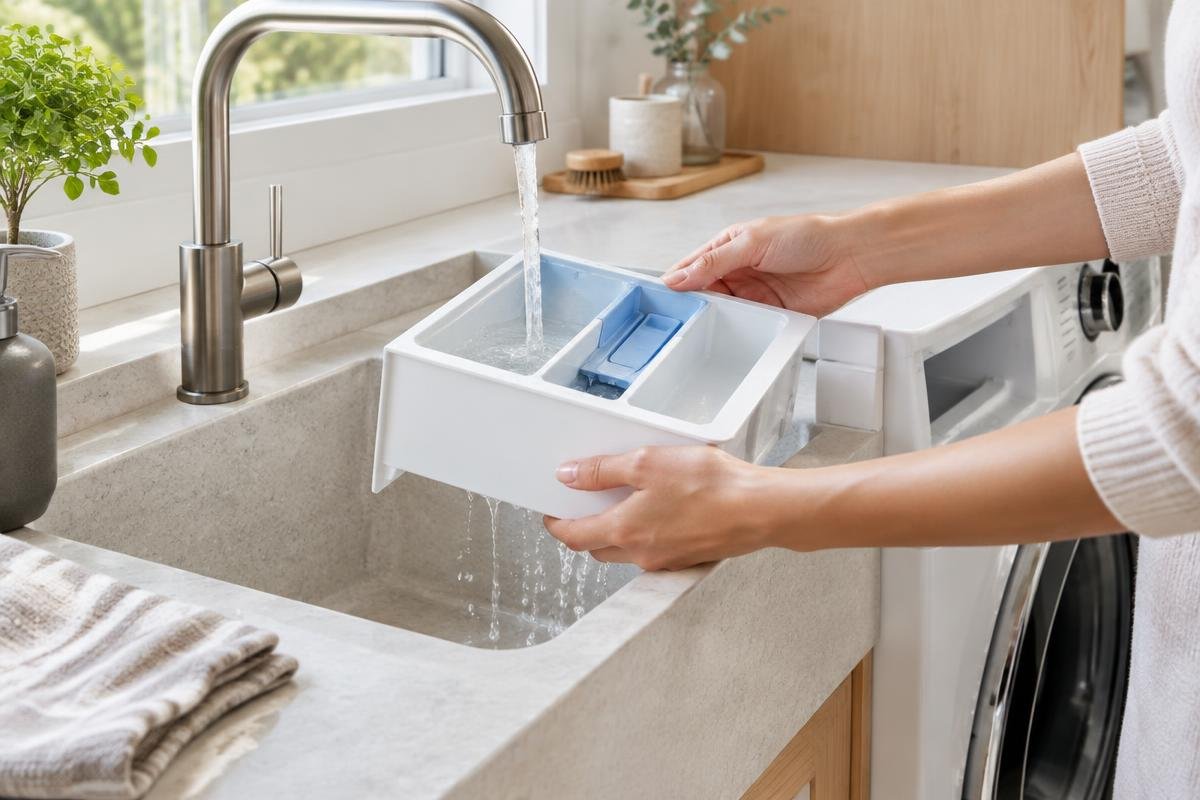
- Clean the detergent drawer. Remove it if your model allows, soak it in warm soapy water and scrub away residue. Wipe the cavity behind it.
- Clear the filter. Place a towel and shallow tray beneath the filter access panel, drain any water, unscrew, remove debris and rinse.
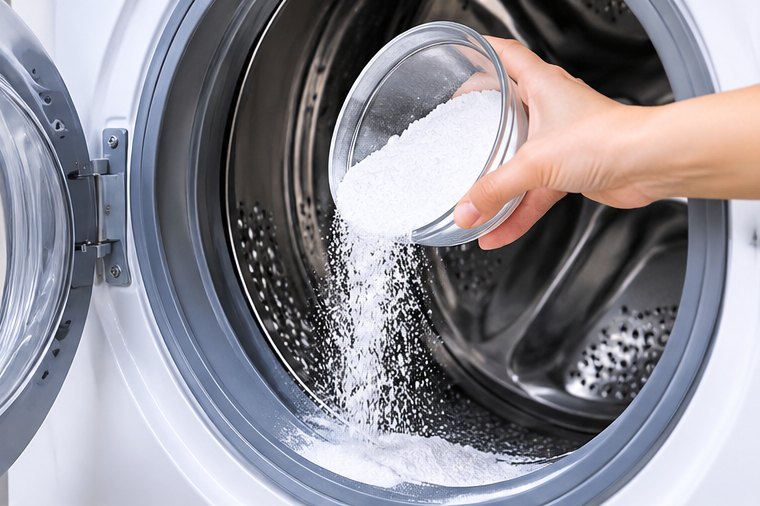
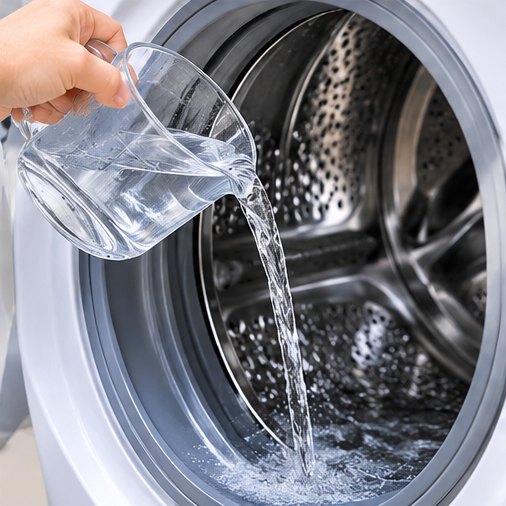
- Run a maintenance cycle. With the machine empty, run a hot cycle using a washing machine cleaner suited to your model, or the cycle your manufacturer recommends.
- Wipe dry and ventilate. Wipe the drum, seal and glass, then leave the door and drawer ajar.
Drawer, seal and filter: the three hidden culprits
If the smell returns soon after a deep clean, one of these three areas is usually the reason.
- The seal: look beneath the folds for dark spots. Mild mould can often be wiped away, but a heavily affected or torn seal may need replacing.
- The drawer: a crust of old powder or softener inside the drawer and cavity will re-contaminate every wash.
- The filter: a small access panel near the bottom front of many machines. Clear it regularly, as lint and debris sit there and stagnate.
Keep it fresh
- Leave the door ajar after every wash so the drum can dry.
- Use the right amount of detergent. Too much creates residue and odour.
- Go easy on softener. Heavy use leaves a film in the drawer and pipes.
- Remove wet laundry promptly. Hang clothes soon after the cycle ends.
- Wipe the seal regularly, particularly after washing sports gear or towels.
- Run a maintenance cycle regularly, as often as your manufacturer suggests, or roughly monthly in a busy household.
- Include warmer washes where garment care labels allow.
If your clothes already smell
Garments washed in a smelly machine can carry the odour. Once the machine is clean, rewash them following the care label, with a measured dose of detergent. For items that hold odours, such as towels and activewear, a longer rinse can help. Hang them in fresh air to dry fully.
| Item | First step | Avoid |
|---|---|---|
| Cotton & towels | Rewash warm per the label | Overloading and too much softener |
| Activewear & synthetics | Rewash; extra rinse | Fabric softener and high heat |
| Wool & cashmere | Air out; seek an assessment | Hot water and agitation |
| Silk & tailoring | Do not rewash at home | Water and home remedies |
Mistakes to avoid
- Closing the door straight after a wash. It traps moisture.
- Overusing detergent or softener. More product means more residue.
- Mixing cleaning products. Some combinations release harmful fumes.
- Ignoring the filter. Debris stagnates and smells.
- Leaving damp laundry in the drum. Odours develop quickly.
When to call a professional
If a smell persists after a thorough clean, or you notice leaking, slow draining, error codes or a sewage-like odour, a technician or plumber is the right person to call. A burning or electrical smell means stop using the machine at once.
For garments that have absorbed odours or that you would rather not rewash at home, such as wool, cashmere, silk or tailoring, a specialist assessment is the safest choice. Tell your cleaner what you have already tried.
Frequently asked questions
How often should I clean my washing machine?
Follow your manufacturer’s guidance. As a general habit, many households run a maintenance cycle roughly once a month and wipe the seal regularly.
Can I use white vinegar to clean my machine?
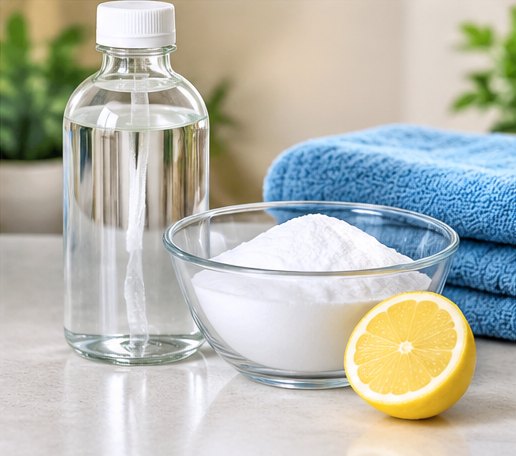
Some manuals allow it, while others advise against it, especially for rubber seals. Check your manual first, and never mix vinegar with bleach.
Should I leave the door open?
Yes. Leaving the door and drawer ajar lets the drum dry and reduces mildew.
Why does my machine smell even though it is new?
Often because of too much detergent, cool short cycles or a closed door. A maintenance cycle and better ventilation usually help.
Does Dryz collect across Australia?
Dryz advertises pickup and delivery in Melbourne. Check your postcode on its website; nationwide collection is not established by this guide.
A wardrobe, thoughtfully cared for
Caring for your clothes should feel as considered as choosing them. A fresh machine is the quiet foundation of fresh clothes, and knowing when to step back protects the pieces that matter most.
Dryz offers Melbourne pickup-and-delivery dry cleaning and laundry, including wash-and-fold and wash-and-iron services. Check your postcode and ask about the specific garment before booking. For wool, cashmere, tailoring or pieces that have absorbed odours, share the care label and what you have tried so the team can advise on suitable handling.