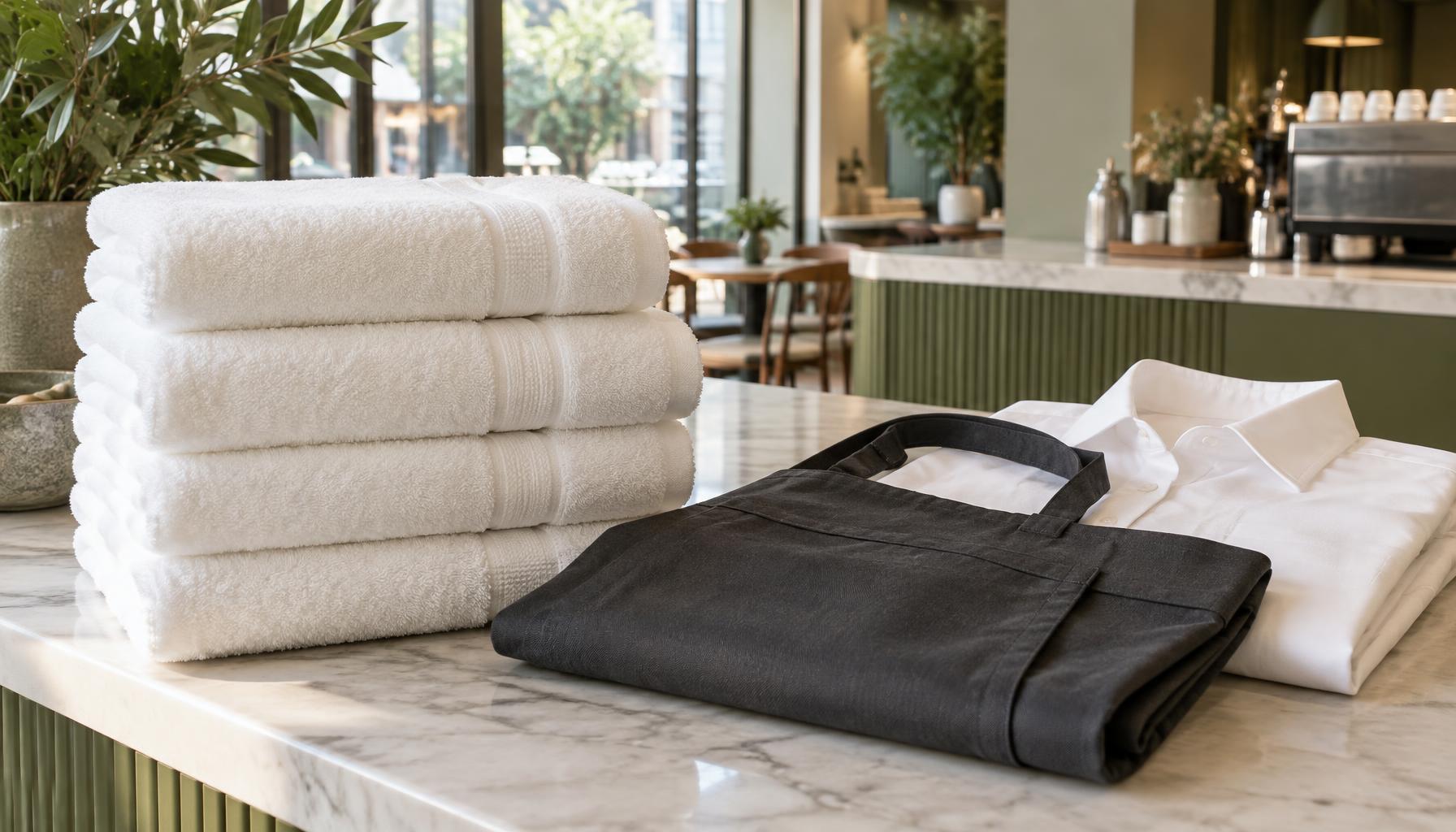
In Melbourne’s most considered spaces, quality is felt before it is explained. It is the crisp apron behind the espresso machine, the fresh towel offered after a training session, and the immaculate linen waiting in a treatment room. These details quietly tell your clients that every part of their experience matters.
For cafés, salons, gyms and clinics, laundry is not simply a back-of-house chore. It is part of presentation, staff readiness and everyday hygiene. A well-planned uniform and towel service helps keep those standards consistent without turning your team into a part-time laundry department.
Why business laundry deserves a better system
A café’s morning rush and a salon’s fully booked Saturday have something in common: neither is the moment to discover that clean uniforms or towels have run out. When laundry relies on whoever has time to take a load home, quality and availability can become unpredictable.
A structured service replaces that improvisation with an agreed routine. Staff know where used items belong, managers understand stock levels, and freshly cleaned pieces arrive ready for their intended use. For a premium business, consistency matters more than a showy finish: towels should feel welcoming, workwear should fit correctly, and neither should carry yesterday’s odour.
Cafés: workwear that meets the morning rush
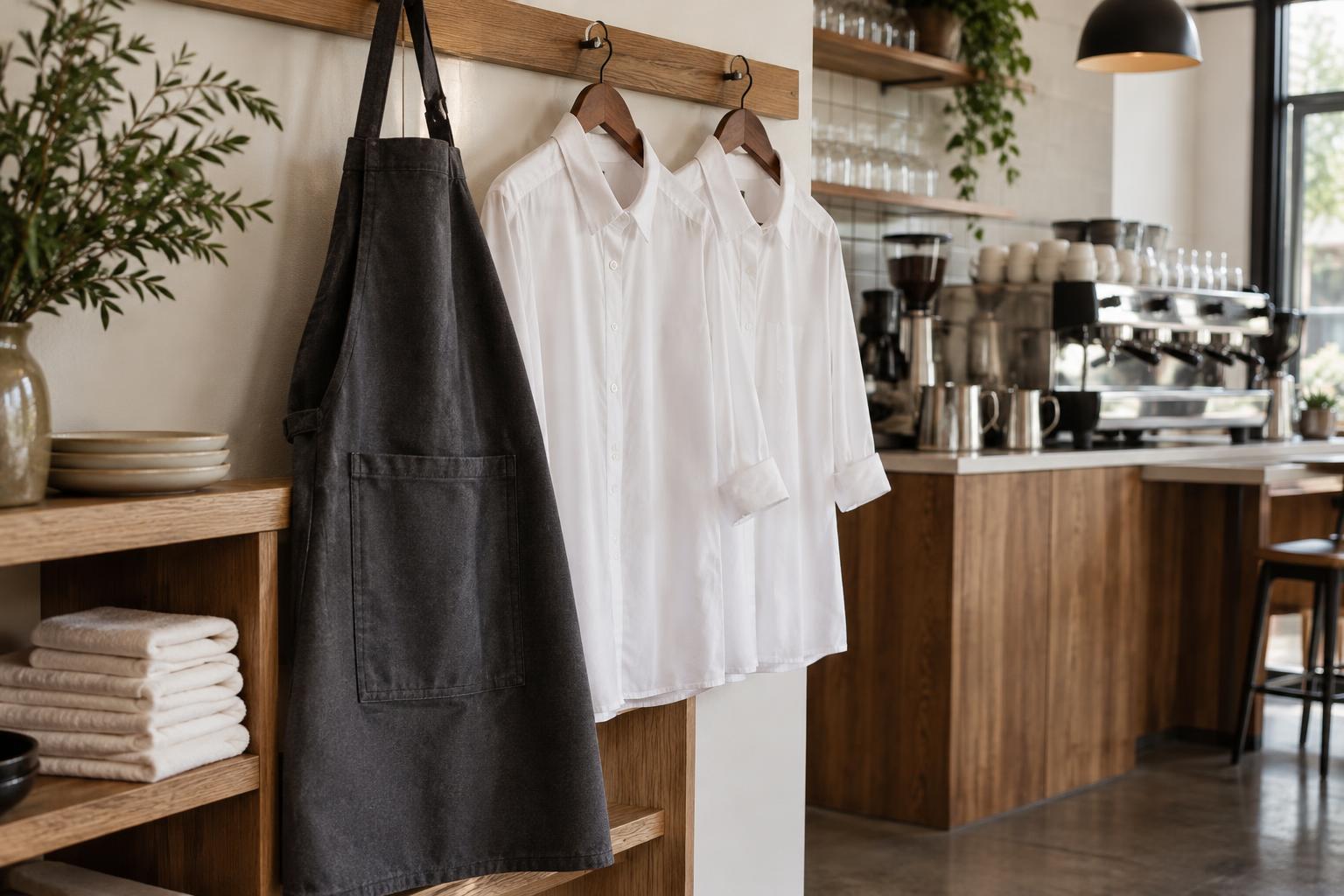
Melbourne café culture rewards attention to detail. A beautifully made coffee loses some of its polish when the person serving it wears a stained apron. Barista aprons, chef jackets and front-of-house shirts all need care that balances appearance with the realities of food service.
Coffee, milk, cooking oils and sauces do not behave alike in the wash. Flag persistent stains, separate kitchen cloths from customer-facing textiles, and follow each garment’s care label. Food handlers must wear clean clothing that does not contaminate food; a tidy-looking uniform alone is not a complete food-safety system.
- Plan around shifts. Keep enough clean workwear for roster changes and unexpected spills.
- Protect the brand finish. Ask about suitable pressing or ironing for shirts and care for embroidery, straps and trims.
- Keep uses distinct. Give cleaning cloths, kitchen textiles and uniforms their own collection streams.
Salons: fresh towels between every client
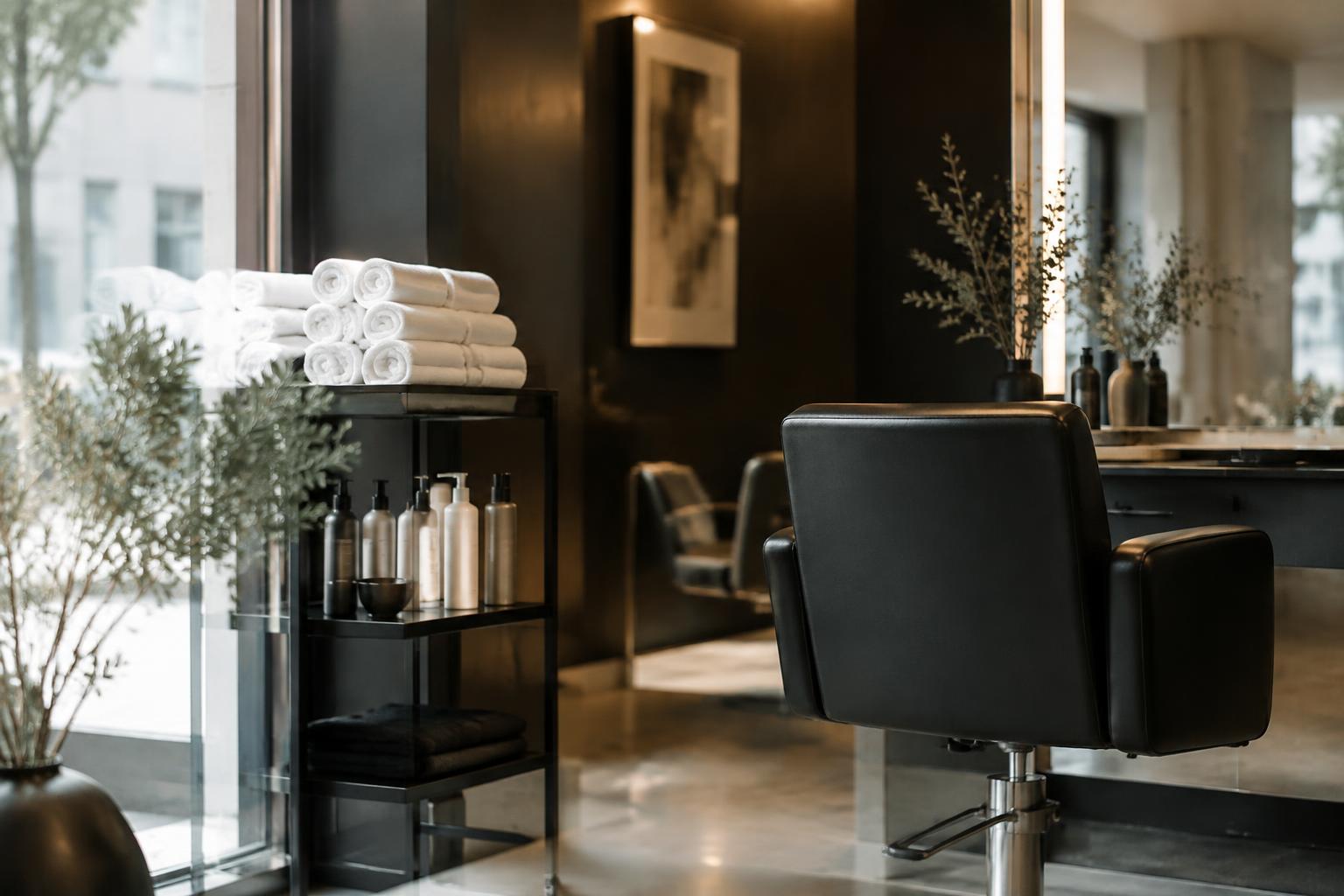
In a premium salon, a clean towel is a small luxury clients notice immediately. It should feel soft, absorb water effectively and arrive without a stale fragrance that competes with the treatment experience.
Hair colour, oils, styling products and cosmetic residues need different handling. Tell your cleaner what the towels have been exposed to before arranging a service, especially where bleach, dyes or treatment chemicals are involved. Some stains can be permanent; an honest assessment is more useful than a promise that every towel will look new.
Choose towels for repeated laundering rather than appearance alone. Consistent sizes simplify folding and shelving, while clearly separating colour-treatment towels from finishing towels can help preserve the presentation of your most visible linen.
Gyms and studios: a fresh start for every session
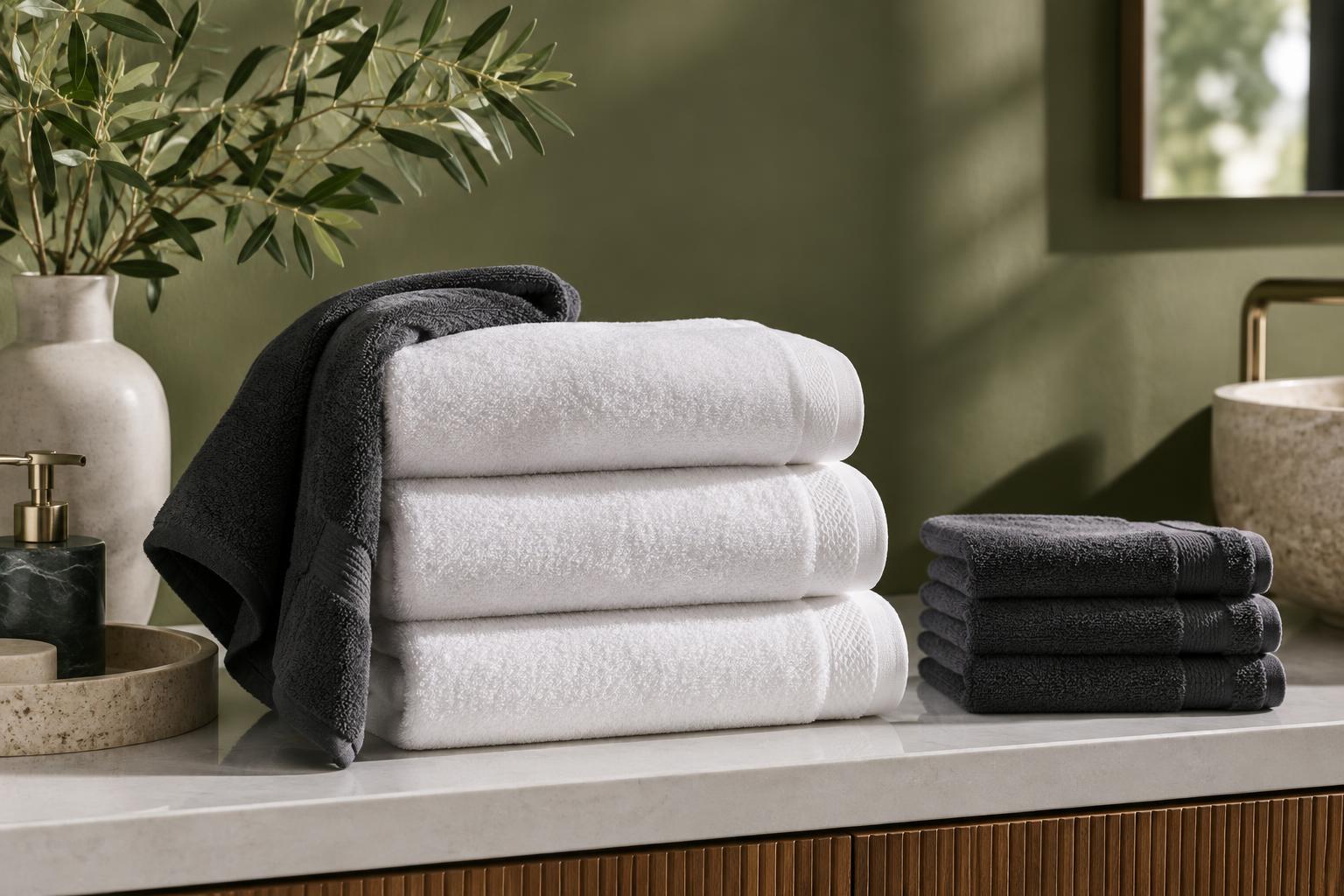
For a boutique gym, Pilates studio or personal-training space, towel quality is part of the membership experience. A freshly stocked shelf feels considered; a basket of damp towels does not.
Sweat, body oils and deodorant residue can linger when cleaning or drying is inadequate. Agree on a process suited to the fabric and the level of soiling, and make sure returned towels are thoroughly dry before storage. Do not choose a wash setting on fragrance alone, or use heavy scent to disguise an unresolved odour.
Store clean towels away from used-towel collection points. Track actual usage across quiet weekdays and peak sessions so your service reflects demand, rather than an optimistic estimate made when the studio first opened.
Clinics: hygiene comes before presentation
A clinic’s linen requirements depend on the care it provides and the risks involved. Reception uniforms, ordinary staff workwear and linen contaminated with blood or body fluids cannot automatically be treated as the same category.
Cleaning is not sterilisation. Clinical linen may require validated disinfection, documented handling procedures and a specialist laundry arrangement. Before outsourcing, ask your infection-prevention lead which items can enter the proposed service and what evidence the provider must supply.
Keep clean and soiled linen separated, use your clinic’s approved collection and storage arrangements, and minimise unnecessary handling of used items. For reusable clinical textiles, consult the applicable requirements of AS 4146:2024, Laundry practice, alongside your organisation’s infection-prevention policies.
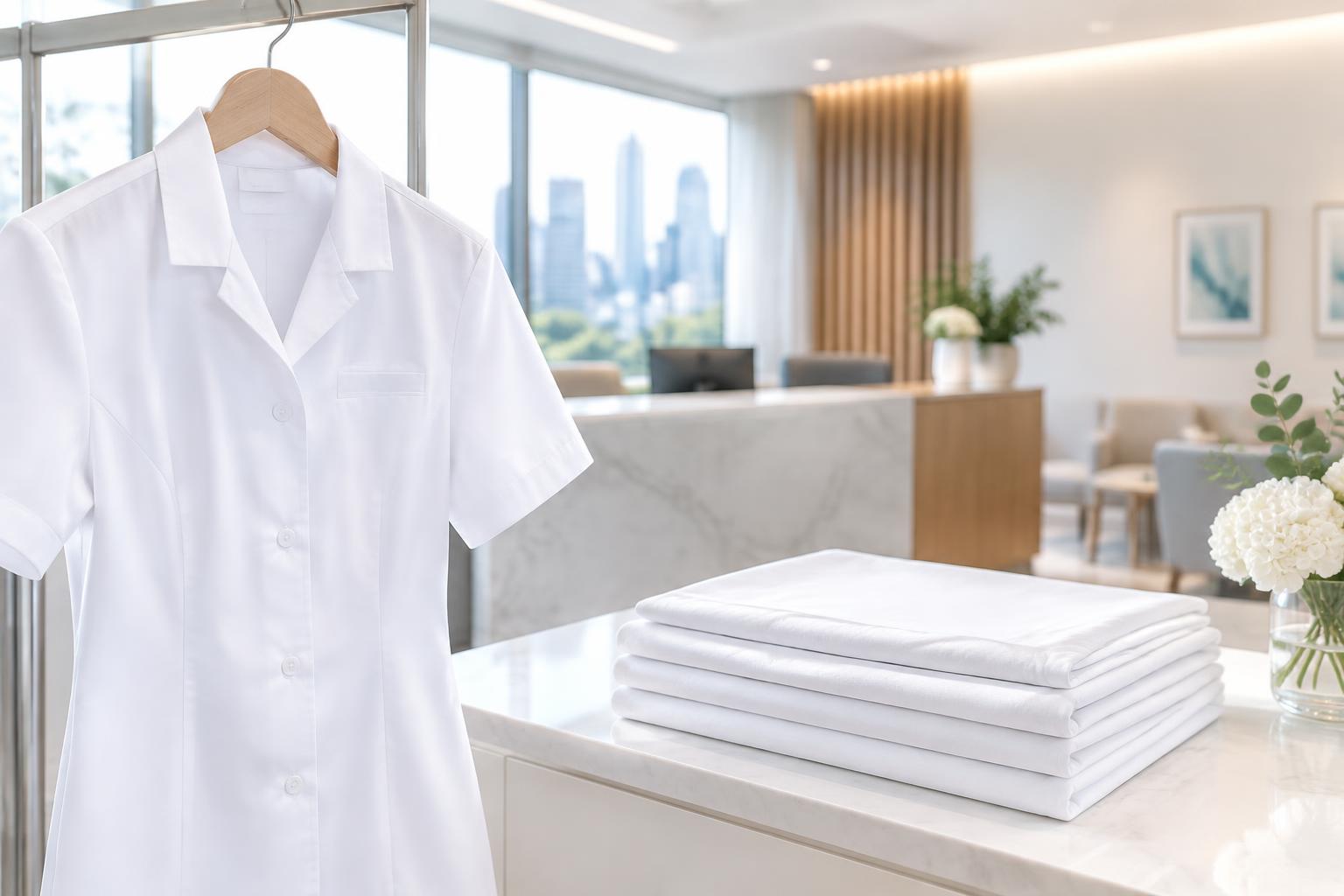
What each business should prioritise
| Business | Typical textiles | Priority |
|---|---|---|
| Café | Aprons, shirts, kitchen textiles | Stain management and clean workwear |
| Salon | Hair towels, capes, staff uniforms | Product residues and client-ready finish |
| Gym or studio | Workout towels, staff polos | Odour removal and complete drying |
| Clinic | Workwear and approved reusable linen | Risk assessment and verified suitability |
Build a routine that protects your standards
The best arrangement begins with a clear brief, not simply a bag of towels at the door. Start with your busiest trading period and work backwards.
- Audit your textile inventory. Record item types, fabric labels, quantities and replacement condition. Include staff uniforms, towels and any separately managed cloths.
- Measure real usage. Count what your business uses over a representative week, including peak appointments, spills and additional shifts.
- Agree on collection and return. Confirm your address is covered, who hands over the bags, and when clean stock is expected. Ask what happens around public holidays.
- Separate items at the source. Use clearly identified bags or containers for different textile uses, colours and special-handling items, following the provider’s instructions.
- Keep a practical reserve. Allow for the time stock is away, your busiest trading days and a delayed return. Set that reserve from your own usage rather than a generic number.
- Check the return. Look for correct counts, unresolved stains, dampness, damaged trims and the agreed finish before shelving items.
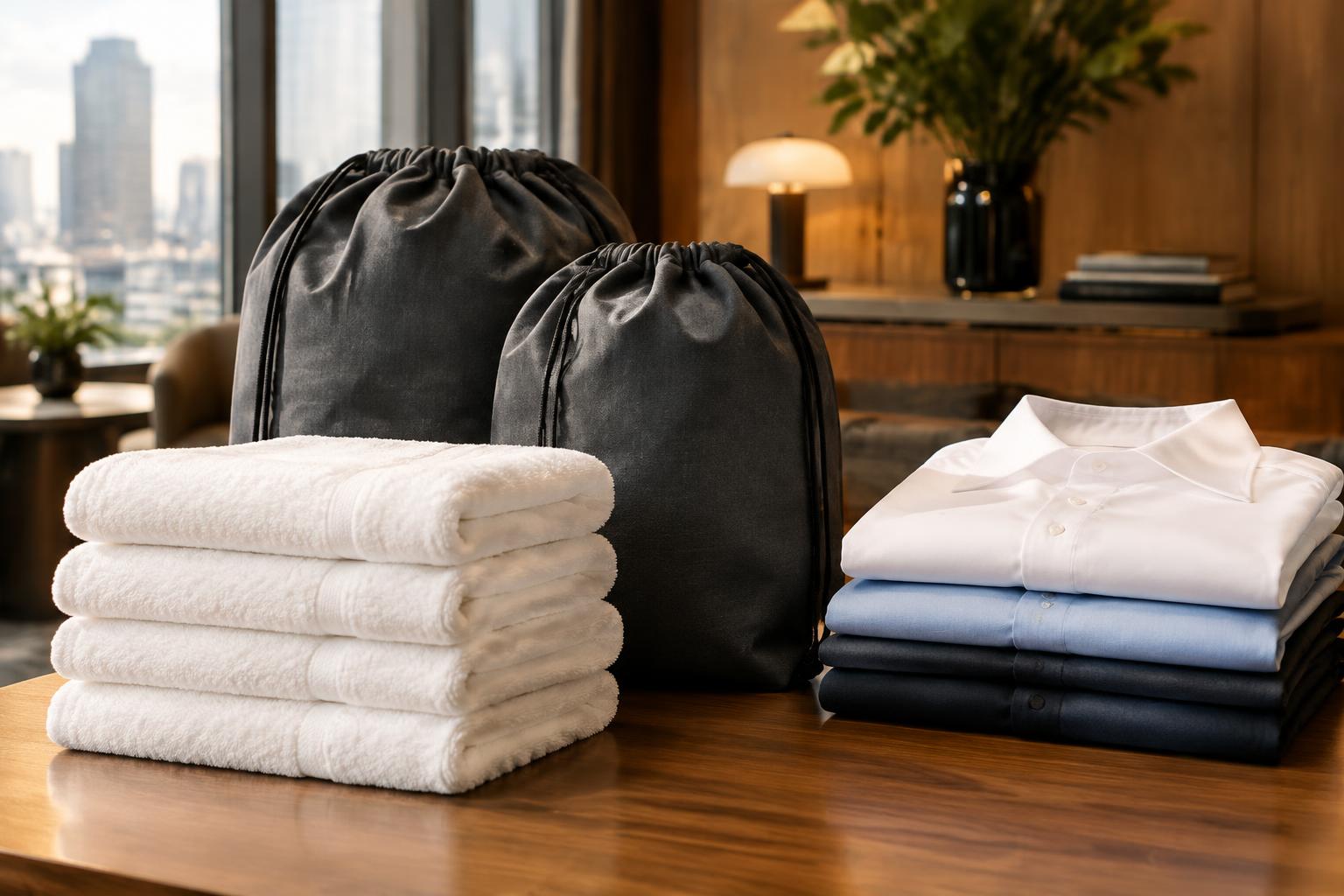
What to ask before choosing a service
A considered laundry partner should be able to explain what is included and where the limits are. Before committing, ask:
- Scope: Which uniform and towel types are accepted? Are heavily soiled, chemical-exposed or clinical items excluded?
- Finish: Are items washed and folded, ironed, or dry cleaned? Can delicate fabrics, logos and trims be handled appropriately?
- Reliability: What collection windows, return times and arrangements for missed pickups apply to your address?
- Cost: Is charging by weight or item, and are minimums, delivery fees, GST and special treatments included in the quote?
- Accountability: How are missing items, damage and re-cleaning requests handled?
Compare the full operating cost, not just the laundry line on a quote. In-house washing also uses staff time, water, energy, detergent, equipment and valuable floor space. Outsourcing may be worthwhile when it gives your team more time for clients, but the balance depends on your volume and service needs.
Frequently asked questions
Can uniforms and towels go in the same collection?
Ask the provider. A single pickup does not mean items should share a wash. Sorting should reflect fabric care, colour, soiling and intended use, with clinical or special-handling items assessed separately.
How often should a Melbourne business arrange laundry?
Base the frequency on actual usage, storage space and confirmed return times. High-volume venues may need more frequent collections; smaller studios may suit a different routine. Agree on availability before relying on it.
Are fragrant towels necessarily cleaner?
No. Fragrance is not evidence of effective cleaning or disinfection. Focus on suitable processing, complete drying, absorbency and clean storage. Ask about fragrance preferences if clients are sensitive.
Does Dryz offer a dedicated commercial or clinical contract?
Dryz advertises Melbourne pickup-and-delivery laundry and dry cleaning. Dedicated business arrangements, bulk pricing, towel processing and clinical suitability should be confirmed directly rather than assumed from its general services.
What should I include in a business enquiry?
Your suburb, item types, approximate weekly quantities, fabric details, typical stains and preferred collection times. For clinics, include the relevant linen risk category and required processing standard.
The Dryz approach: start with your business
Dryz provides pickup-and-delivery laundry and dry cleaning in Melbourne, with service coverage that you can check on its website. For a café, salon, gym or clinic considering uniform and towel care, the sensible next step is a tailored conversation about what your business actually needs.
Share your textile list, weekly volume and suburb with Dryz. Confirm accepted items, appropriate cleaning, service timing and a clear quote before making it part of your operating routine. For any clinical linen, suitability must be established first.