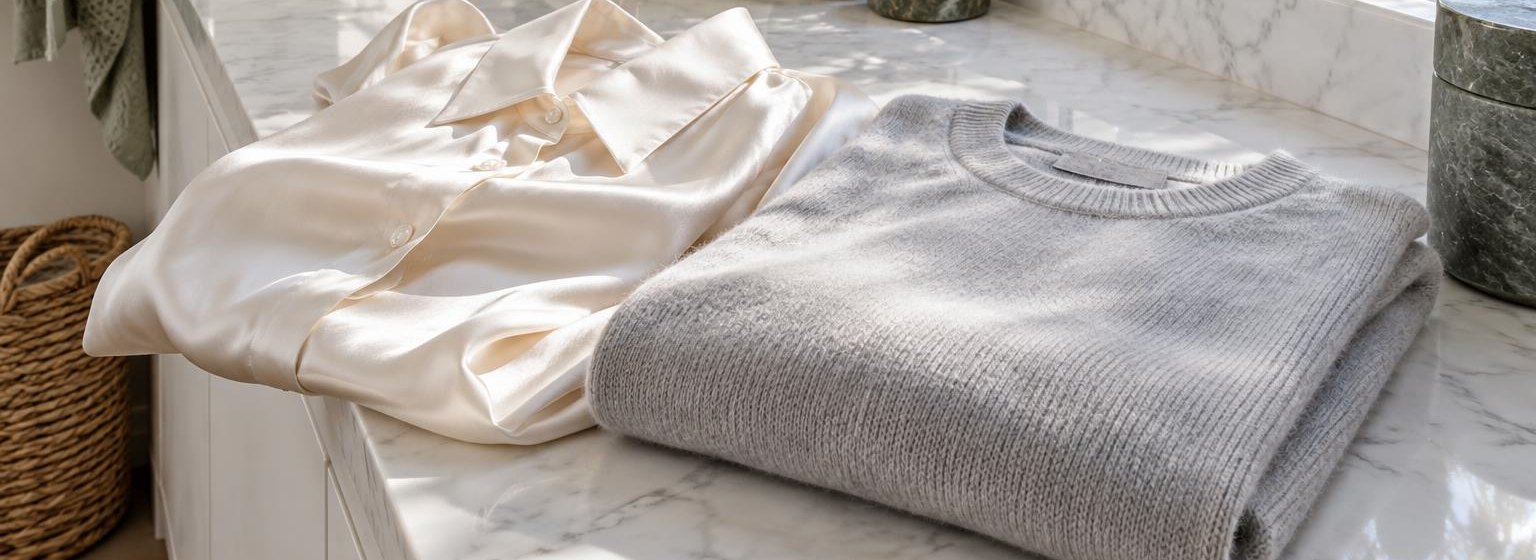
A silk shirt that costs more than a weekend away. A cashmere sweater you have worn for years. When something this good needs freshening, the question is always the same: can I wash it at home, or will I regret it?
The honest answer is sometimes, and carefully. Plenty of silk and cashmere garments can be hand washed safely, but a handful of common mistakes, such as hot water, wringing, hanging a wet knit or the wrong detergent, can permanently ruin them in minutes.
In this guide, we explain when home washing is reasonable, how to do it gently, which pieces should never go near a basin, and the mistakes that cause the most expensive damage.
Why silk and cashmere are so delicate

1. They are protein fibres
Silk is made by silkworms, and cashmere comes from the fine undercoat of cashmere goats. Both are protein fibres, which means they react badly to heat, harsh alkaline detergents and bleach. Hot water can stiffen silk and shrink cashmere.
2. Cashmere felts when agitated
Wool and cashmere fibres have microscopic scales. Heat, moisture and friction can cause those scales to lock together, which makes the knit shrink, thicken and felt. Once that happens, it cannot be reversed.
3. Silk marks and weakens easily
Silk can show water marks, lose its sheen with rough handling and weaken with prolonged exposure to sunlight and perspiration. Dyes in some silks can also bleed in water.
4. Wet fibres are weaker
Both silk and cashmere are more fragile when wet. Wringing, twisting or lifting a heavy, water-logged knit without support can stretch or distort it permanently.
Can you wash it? A fabric-by-fabric guide
The care label always comes first. Tap each card for our verdict.
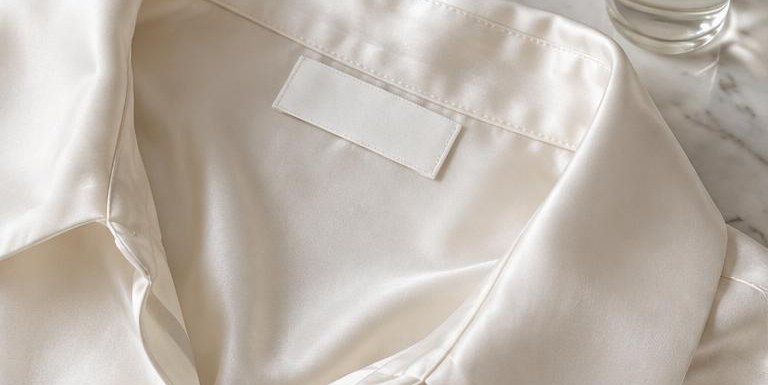
Silk shirts & blouses
Often hand washable, but dyes and finishes vary.
Tap to reveal the verdict →Often yes, carefully
If the label allows it, a quick, cool hand wash with silk-safe detergent is usually fine. Test colourfastness first and avoid wringing. Tailored or lined silk shirts are better professionally cleaned.
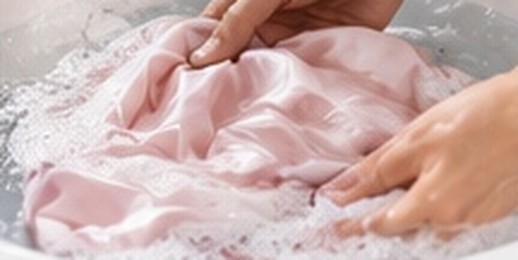
Silk scarves & delicates
Fine silks mark easily and can bleed colour.
Tap to reveal the verdict →Yes, if colourfast
Wash quickly in cool water and rinse thoroughly. Pieces with prints, bright dyes or hand-rolled hems are safest with a professional.
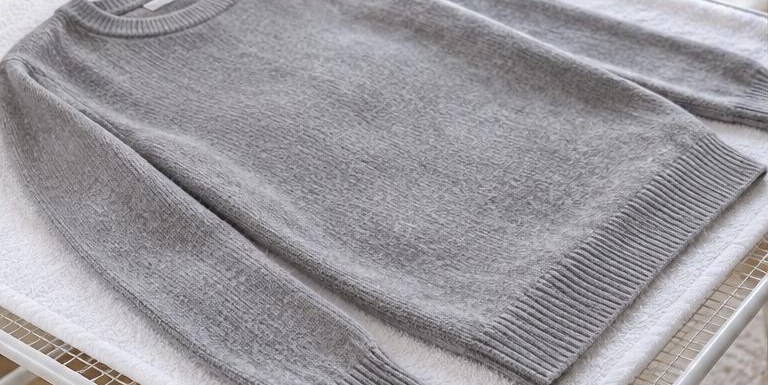
Cashmere sweaters
Washable by hand, but easily stretched or felted.
Tap to reveal the verdict →Yes, with care
Wash gently in lukewarm water, press out water in a towel and always dry flat. Never hang a wet knit. Heavily textured or lined pieces are best cleaned professionally.
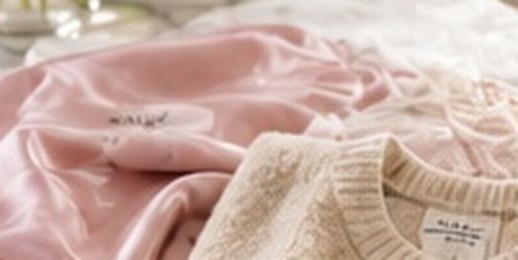
Dyed & embellished
Colour bleed and beading make these high risk.
Tap to reveal the verdict →Go professional
Skip the basin. Dark or vivid dyes, sequins, beading, pleats, lining and tailoring are all reasons to have a professional care for the piece.
| Garment | Home washing | Our advice |
|---|---|---|
| Plain silk shirt | Often possible by hand | Check label; test colourfastness |
| Silk satin & slip dresses | Risky | Water marks are common; professional care preferred |
| Cashmere sweater | Possible by hand | Lukewarm water; dry flat |
| Cashmere coat / tailored | No | Professional care only |
| Beaded, lined or printed silk | No | Professional care only |
| Vintage & heirloom pieces | No | Professional assessment first |
What you need before you start
A simple kit protects your garments and makes the whole process calmer.
- A clean basin or sink. Rinse out any residue from other cleaning products first.
- A gentle detergent made for silk, wool or delicates. Avoid regular laundry detergent, which can be too harsh.
- Cool to lukewarm water. Follow the temperature on the care label, and when unsure go cooler.
- Clean white towels. For pressing out water and drying flat. White avoids dye transfer.
- A mesh wash bag. Only for machine washing, and only if the label and machine allow a delicate or hand-wash cycle.
How to hand wash silk and cashmere safely
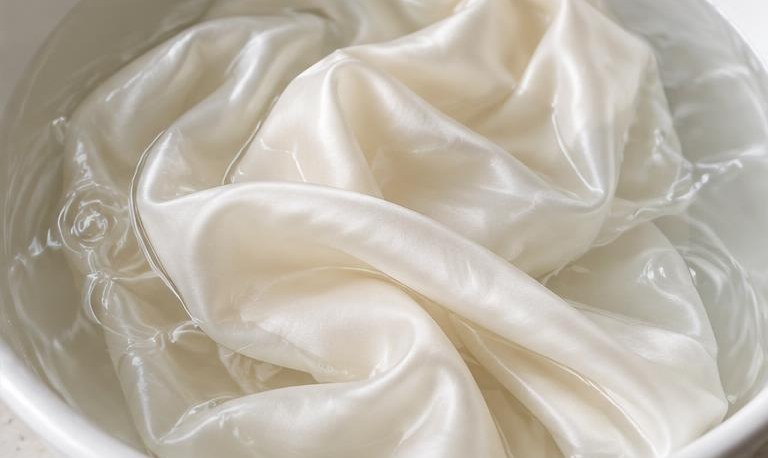
- Read the care label. If it says "dry clean only", do not proceed. If you are unsure, take it to a professional.
- Test for colourfastness. Dab a hidden seam with a damp white cloth and a little detergent. If any colour transfers, do not wash at home.
- Fill the basin with cool to lukewarm water. Add a small amount of gentle detergent and swirl until dissolved, before the garment goes in.
- Turn the garment inside out and submerge it. Press it gently under the water. Do not scrub, rub or twist.
- Soak briefly. A few minutes is enough for most pieces. Do not leave silk soaking for long periods.
- Swish gently. Use slow movements to release dirt, paying light attention to collars and cuffs.
- Rinse in clean, cool water. Repeat until the water runs clear and no suds remain. Residue can leave stiffness or marks.
- Press out the water. Do not wring. Lift the garment with both hands, supporting its weight, and press it gently against the side of the basin.
How to dry and store silk and cashmere
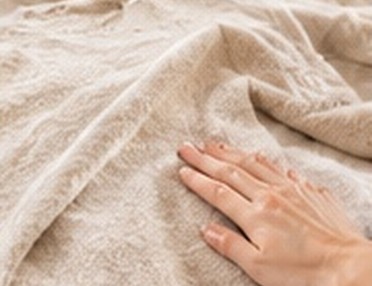

Drying and storing are where many well-washed garments are damaged. These steps protect your pieces afterwards.
- Press out water in a towel. Lay the garment on a clean white towel, roll it up gently and press. Do not twist.
- Dry flat. Reshape the garment to its original size and lay it flat on a dry towel or drying rack, away from direct sunlight and heat.
- Never use a tumble dryer. Heat and tumbling will shrink cashmere and can damage silk.
- Iron or steam with care. Use a low heat, on the reverse of the garment, or use a gentle steamer held at a distance. Test on a hidden area first.
- Store clean and fully dry. Fold knitwear rather than hanging it, and keep silk in a breathable cotton bag.
- Protect against moths. Clean garments are less attractive to moths. Use cedar or lavender, and keep them off the fabric directly.
Mistakes that can ruin expensive clothes
| Common mistake | Why it causes problems | Better approach |
|---|---|---|
| Using hot water | Shrinks cashmere and can damage silk. | Cool to lukewarm water, per the label. |
| Wringing or twisting | Breaks fibres and distorts shape. | Press out water in a towel. |
| Hanging a wet knit | Stretches shoulders and length. | Dry flat on a towel or rack. |
| Using regular detergent | Can be too harsh for protein fibres. | Use a silk or wool detergent. |
| Using chlorine bleach | Can dissolve silk and damage wool. | Never use bleach on these fabrics. |
| Tumble drying | Shrinks and felts knitwear. | Always dry flat. |
| Skipping the colour test | Dye can bleed and ruin the garment. | Test a hidden seam first. |
| Ironing at high heat | Scorches silk and flattens knit texture. | Low heat, reverse side, or steam gently. |
When to choose professional care

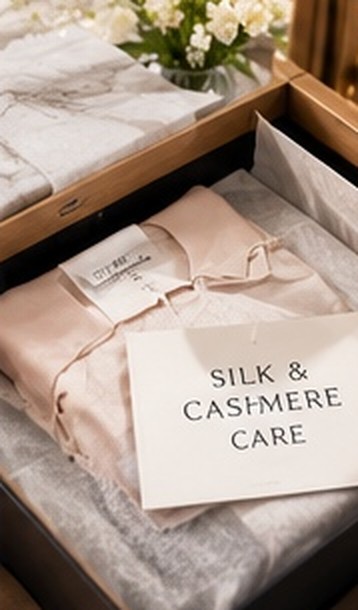
Some garments are too valuable for trial and error. Professional care is the right choice for:
- Anything labelled "dry clean only".
- Tailored, lined or structured silk and cashmere pieces.
- Silk satin, slip dresses and evening wear.
- Printed, dyed, beaded or embellished garments.
- Vintage, heirloom or designer pieces.
- Garments with stains, such as wine, oil, perfume or perspiration. Treating them at home can set the mark.
A professional clean removes dirt and oils safely, uses suitable methods for each fibre, and finishes the garment so it holds its shape. It also gives you the chance to have a stain looked at by someone who has seen it before.
Frequently asked questions
The bottom line: wash gently, dry flat, call a professional when unsure
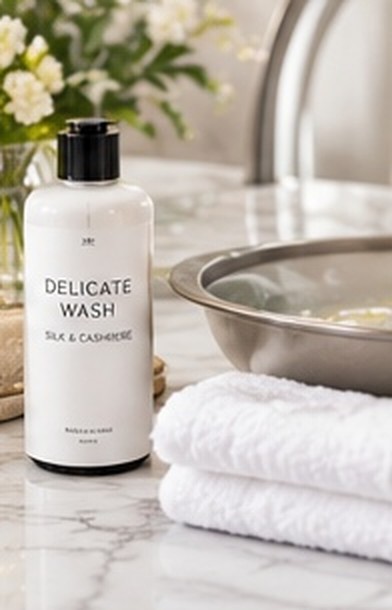
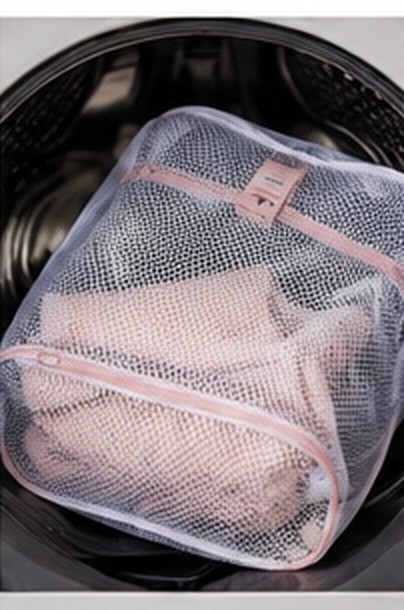
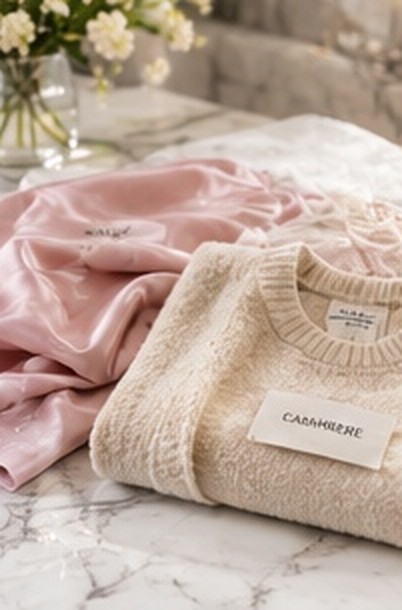
You can wash many silk and cashmere pieces at home, as long as you respect the label, keep the water cool, avoid friction and never wring, hang or tumble dry. The damage that costs the most is almost always the damage that happens in a minute.
For tailored, embellished, vintage or special pieces, professional care removes the guesswork. Dryz offers convenient pickup and delivery for dry cleaning and laundry across Melbourne, so your finest silk and cashmere are cleaned properly and returned ready to wear.