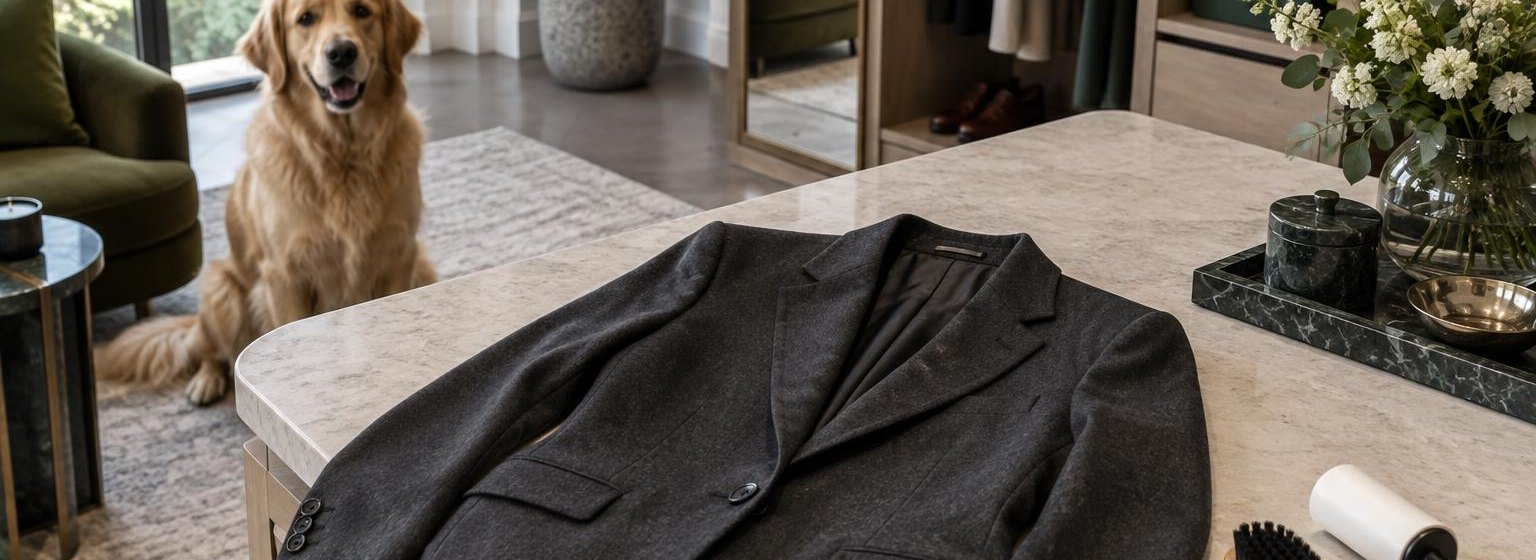
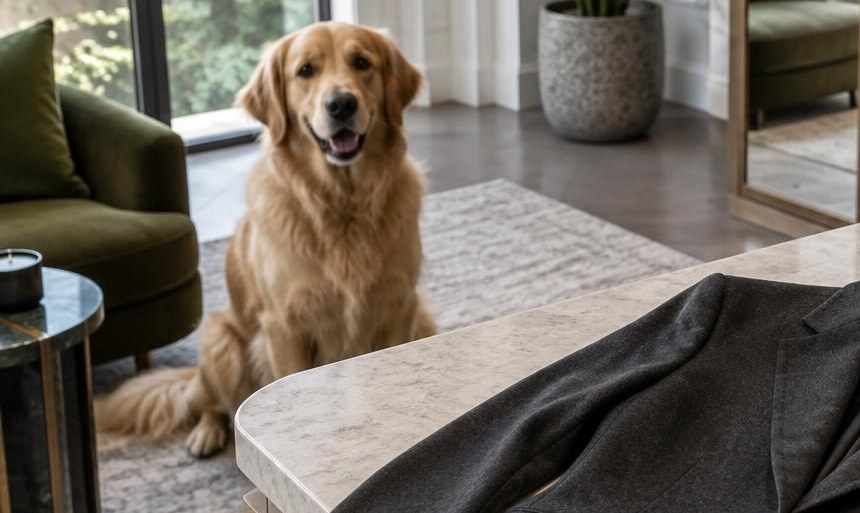
You reach for a favourite charcoal blazer, a cashmere knit or a navy wool coat, and there it is: a fine coat of pet hair, a scatter of lint, or a dusting of fuzz that was not there when you hung it up.
It is a familiar frustration for anyone who shares a home with a dog or cat, or who owns fine fabrics that attract fibres. The good news is that it is almost always removable. The risk is in how you remove it: the wrong tool, too much pressure or the wrong direction can pull, thin or mark the very fabrics you are trying to protect.
In this guide, we explain why hair and lint cling to some garments more than others, which method suits which fabric, and how to keep your wardrobe looking composed without damaging it.
Why lint and pet hair cling to clothes
1. Static and fibre structure
Wool, cashmere, velvet and other textured or napped fabrics have a surface that fine hairs can lock into. Synthetic blends can also build up static, which draws loose fibres in and holds them against the cloth.
2. Dark colours show everything
Light hair on charcoal, navy or black fabric is simply more visible. A garment may carry the same amount of lint as a light one, but the contrast makes it look far worse.
3. Lint is different from pet hair
Lint is made of tiny loose fibres shed by fabrics, towels and other garments, often in the wash or dryer. Pet hair is longer, finer and often barbed or crimped, so it weaves into fabric and can survive a wash. Both are removed with similar tools, but pet hair usually needs a little more patience.
4. Pilling is not the same thing
Small balls of fibre on the surface of knitwear are pilling, caused by friction breaking and tangling the garment's own fibres. Pills need a different approach from loose hair or lint, and the wrong tool can make them worse.
Fabric-by-fabric guide
Not every fabric tolerates the same treatment. Tap each card for the safest method.
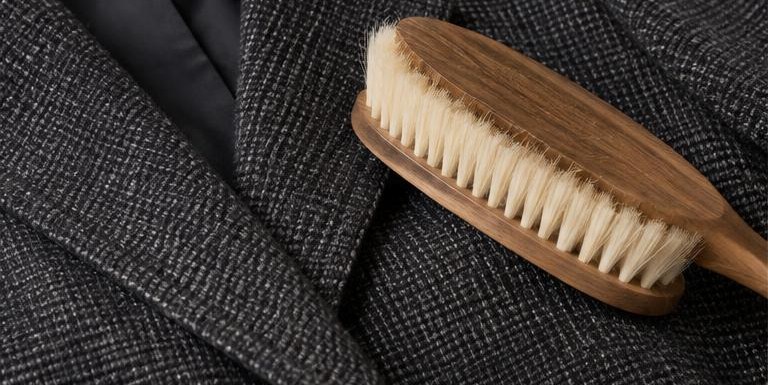
Wool, tweed & tailoring
Durable, but hair sinks into the weave.
Tap to reveal the method →The method
Use a soft natural-bristle clothes brush with short, light strokes in the direction of the weave. Support the fabric with your other hand and avoid hard scrubbing.
Knitwear & cashmere
Soft fibres mark easily, so go gently.
Tap to reveal the method →The method
Use a soft brush or a light lint roller with minimal pressure. Avoid aggressive tools, and lay knitwear flat while you work so it does not stretch.
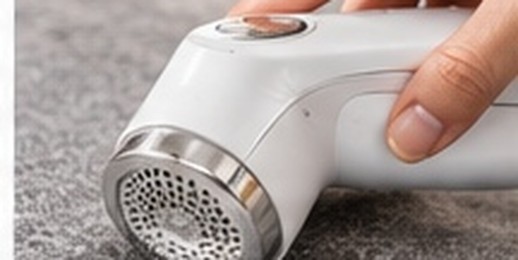
Sturdy knits & synthetics
Removes pilling, but can thin fabric.
Tap to reveal the method →The method
Use only on robust knits and test on a hidden area first. Keep the garment flat, go slowly and never use a shaver on fine cashmere, silk or loosely woven pieces.
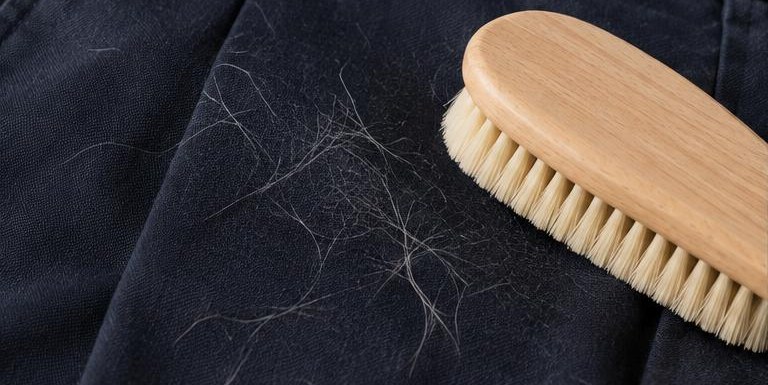
Cotton, chinos & denim
Tightly woven, so hair lifts readily.
Tap to reveal the method →The method
A lint roller or a damp, slightly rubbery surface drawn lightly over the fabric will gather most hair. A soft brush works well on heavier cotton twill.
| Fabric | Best first tool | Take care with |
|---|---|---|
| Wool & tweed | Natural-bristle clothes brush | Hard scrubbing against the weave |
| Cashmere & fine knits | Soft brush or light lint roller | Fabric shavers and heavy pressure |
| Cotton & linen | Lint roller | Rubbing hard on creased areas |
| Synthetics & fleece | Lint roller or brush | Static; very hot water or heat |
| Velvet & silk | Professional care recommended | Any roller, tape or shaver — they can mark the surface |
Choosing the right tool
A small kit covers almost every situation. Quality matters more than quantity.
- Natural-bristle clothes brush. The classic choice for wool, tweed and tailoring. It lifts hair and dust without the stickiness of tape.
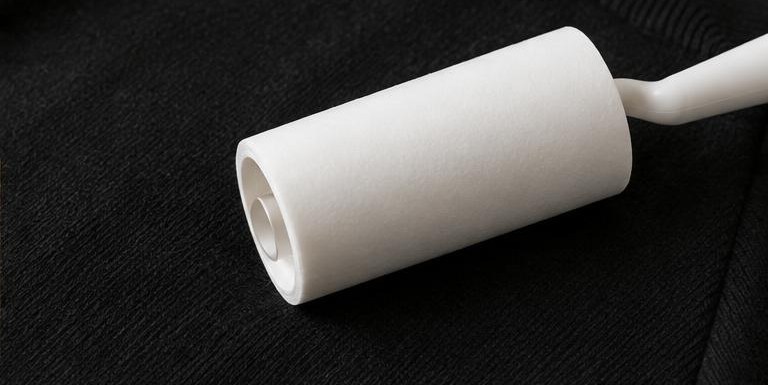
- Lint roller. Fast and effective for cotton, synthetics and dark coats. Replace or peel the sheet as soon as it loses grip.
- Lint tape. Useful for travel and quick touch-ups, and good for tight spots like collars and pocket edges.
- Fabric shaver. A specialist tool for pilling on sturdy knits only. Use with care.
How to remove lint and pet hair safely
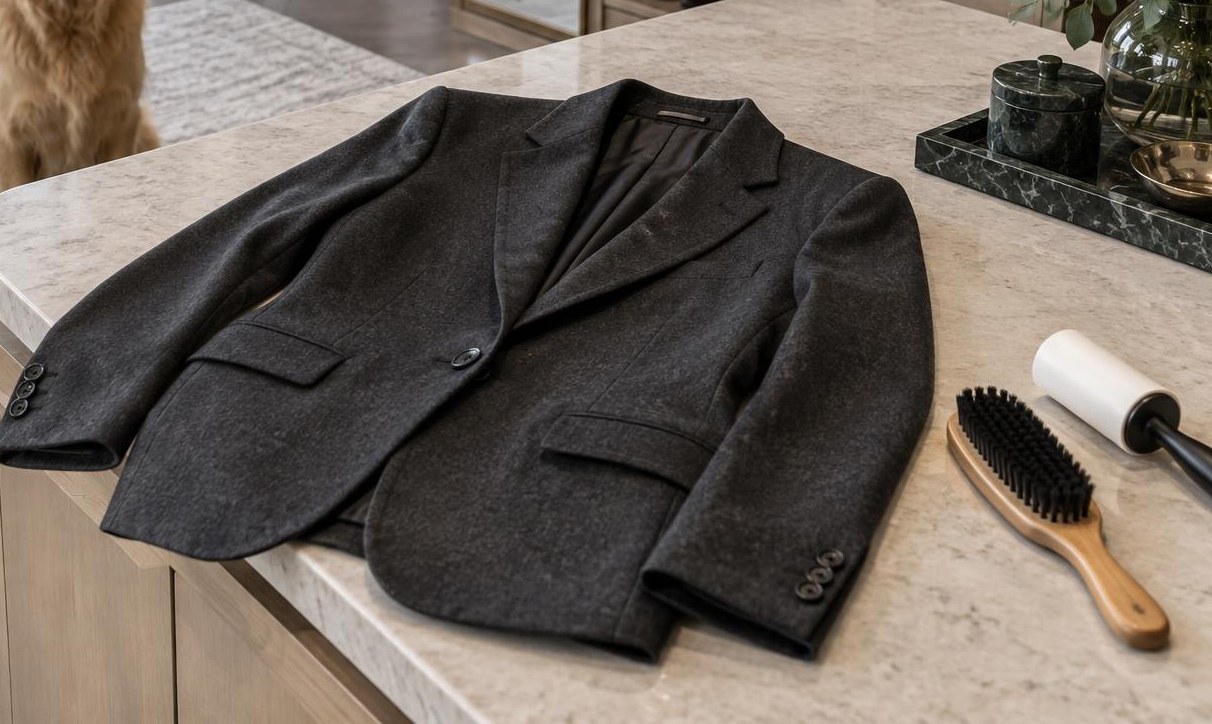
Always check the care label first. The method below suits most wardrobe pieces, from structured jackets to everyday knits.
- Shake it out. Take the garment outside or hold it away from you and give it a firm shake to dislodge loose hair and lint before touching it.
- Lay it flat or hang it properly. Support the garment on a clean surface or a well-shaped hanger so fabric does not drag or stretch as you work.
- Start with a soft brush. Use light, short strokes in one direction, following the weave or nap. Brush hair into a pile rather than pressing it deeper.
- Follow with a lint roller. Roll gently and lift rather than scrubbing. Peel to a fresh sheet as soon as the old one stops picking up.
- Use tape for stubborn spots. Press and lift in tight areas, such as collars, lapels and seams.
- Check in daylight. Hair and lint show up best in natural light, so inspect the garment before you put it away.
How to keep lint and pet hair off your clothes
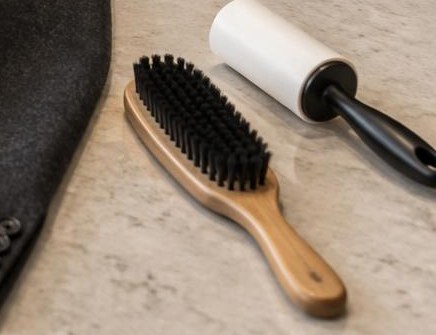
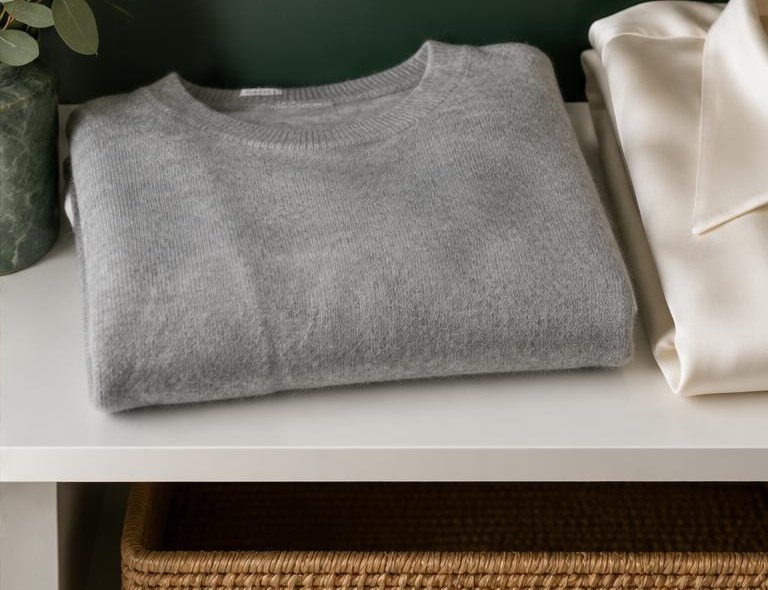
Prevention is far easier than removal. These habits keep a wardrobe looking composed with minimal effort.
- Brush tailoring after wearing. A quick pass before you hang a jacket removes hair and dust before they settle in.
- Store in a closed wardrobe. Keep fine pieces behind doors or in breathable cotton garment bags, rather than on open rails near pets.
- Wash dark items separately. Lint transfers from towels and fleece onto darker garments in the wash, so keep them apart.
- Turn knits and delicates inside out. This reduces surface friction in the wash.
- Clean the dryer lint filter every cycle. A blocked filter lets lint redeposit on your clothes.
- Keep pet-friendly zones. Give pets their own blankets and spots, and keep your bedroom and wardrobe area off-limits if you can.
- Do not hang clothes over sofas and chairs. Those are exactly where pets rest and shed.
Mistakes that damage fabric
| Common mistake | Why it causes problems | Better approach |
|---|---|---|
| Scrubbing hard with a brush | Can roughen, shine or stretch the surface. | Light, short strokes in the direction of the weave. |
| Using a shaver on fine knits | Cuts fibres and can create thin patches. | Soft brush; professional care for cashmere. |
| Using an old roller sheet | Stops picking up and drags hair around. | Peel to a fresh sheet often. |
| Tape on delicate fabric | Adhesive can pull fibres or leave residue. | Use on sturdy fabrics only, and test first. |
| Rolling a dirty garment | Grinds dust and oils into the fabric. | Shake out and brush before rolling. |
| Hanging heavy knits | Stretches shoulders and distorts shape. | Fold knitwear flat in a drawer or shelf. |
When to choose professional garment care
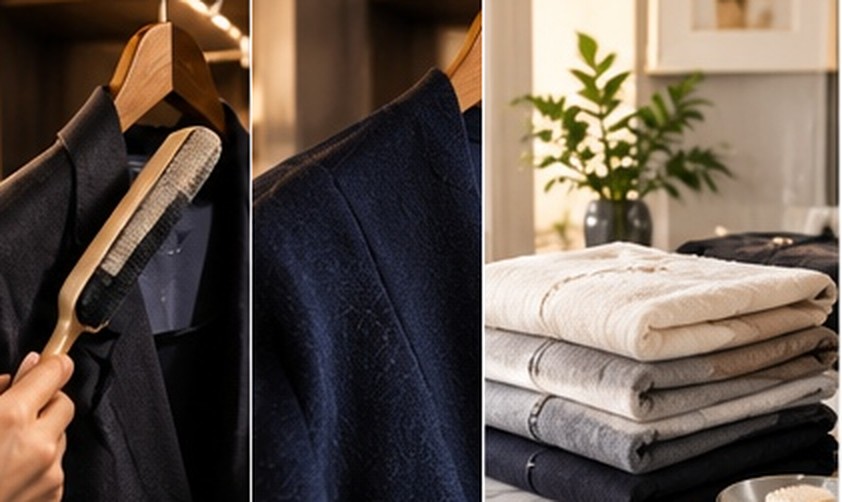
Some pieces are too valuable for trial and error. Professional cleaning is the right choice for:
- Cashmere, fine wool, velvet and silk.
- Structured blazers, overcoats and tailored suits.
- Garments with deeply embedded hair that brushing will not lift.
- Evening wear, formalwear and designer pieces.
- Anything labelled "dry clean only".
A professional clean removes what you can see, and what you cannot: the dust, oils and fine residue that hold hair against the fabric. It also lets the garment be pressed and finished correctly, so it hangs as the tailor intended.
Frequently asked questions
The bottom line: brush gently, roll lightly, store carefully
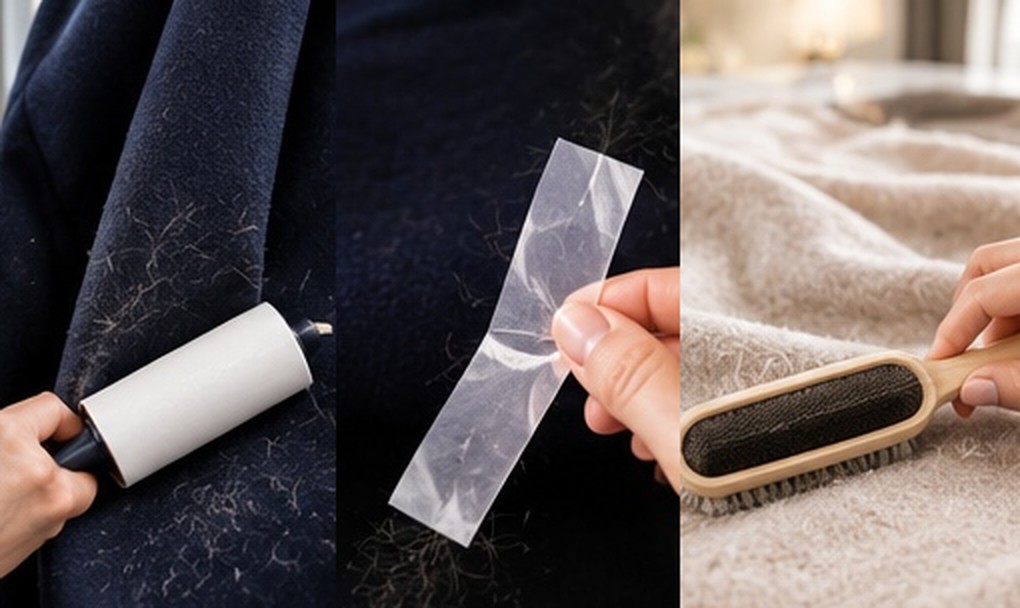
Lint and pet hair are rarely a sign that a garment is worn out. With the right tool, a light touch and good storage, most pieces can be kept looking composed without any damage to the fabric.
For cashmere, tailoring, velvet, silk and designer pieces, professional care removes the guesswork. Dryz offers convenient pickup and delivery for dry cleaning and laundry across Melbourne, so your finest garments are cleaned, pressed and returned ready to wear.