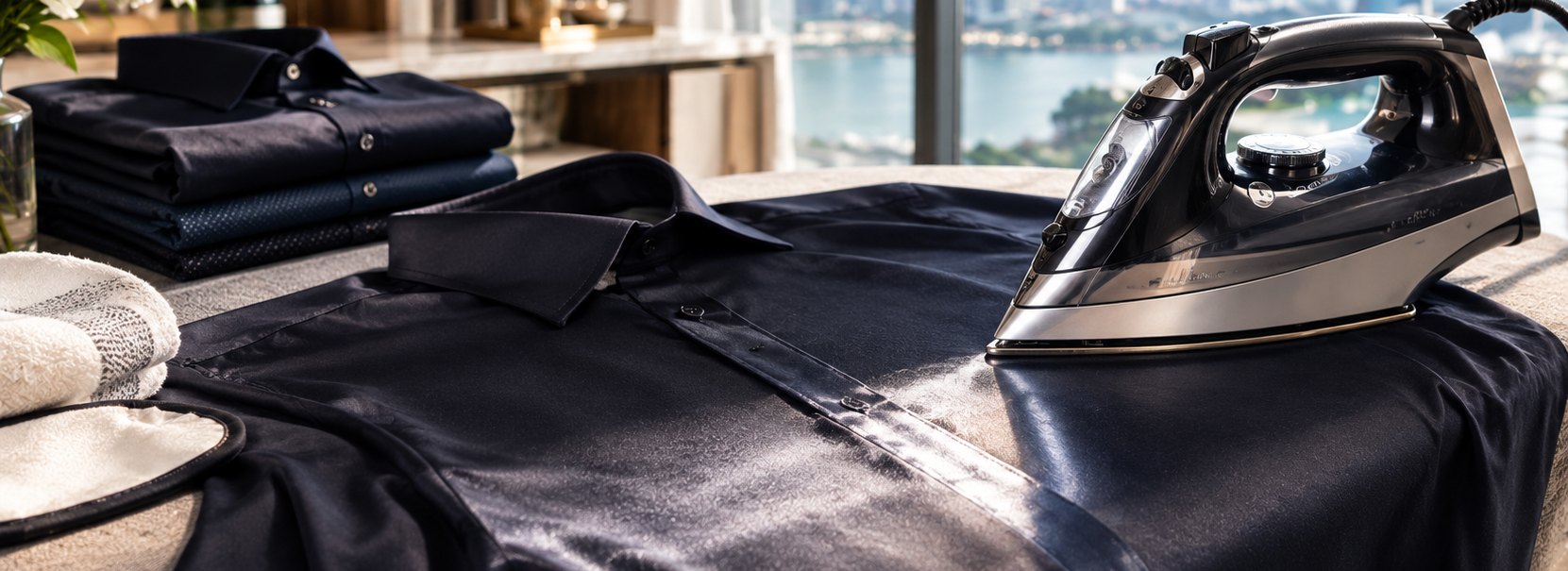
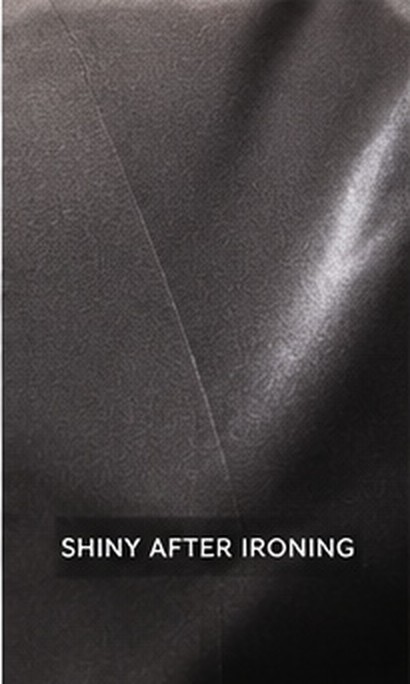
You iron a navy shirt, a black trouser or a charcoal jacket, and instead of a crisp finish you get a glossy, slightly reflective patch along the seams, the placket or across the whole panel. In the wrong light, it can look as though the garment has been worn thin.
It is one of the most common ironing problems, and it is most visible on dark fabrics. The good news is that it is usually preventable with a few simple changes: temperature, technique and a layer of protection between the iron and the cloth.
In this guide, we explain why clothes look shiny after ironing, which fabrics are most at risk, how to iron dark garments safely, and when to leave the pressing to a professional.
Why clothes look shiny after ironing
1. Flattened fibres reflect light
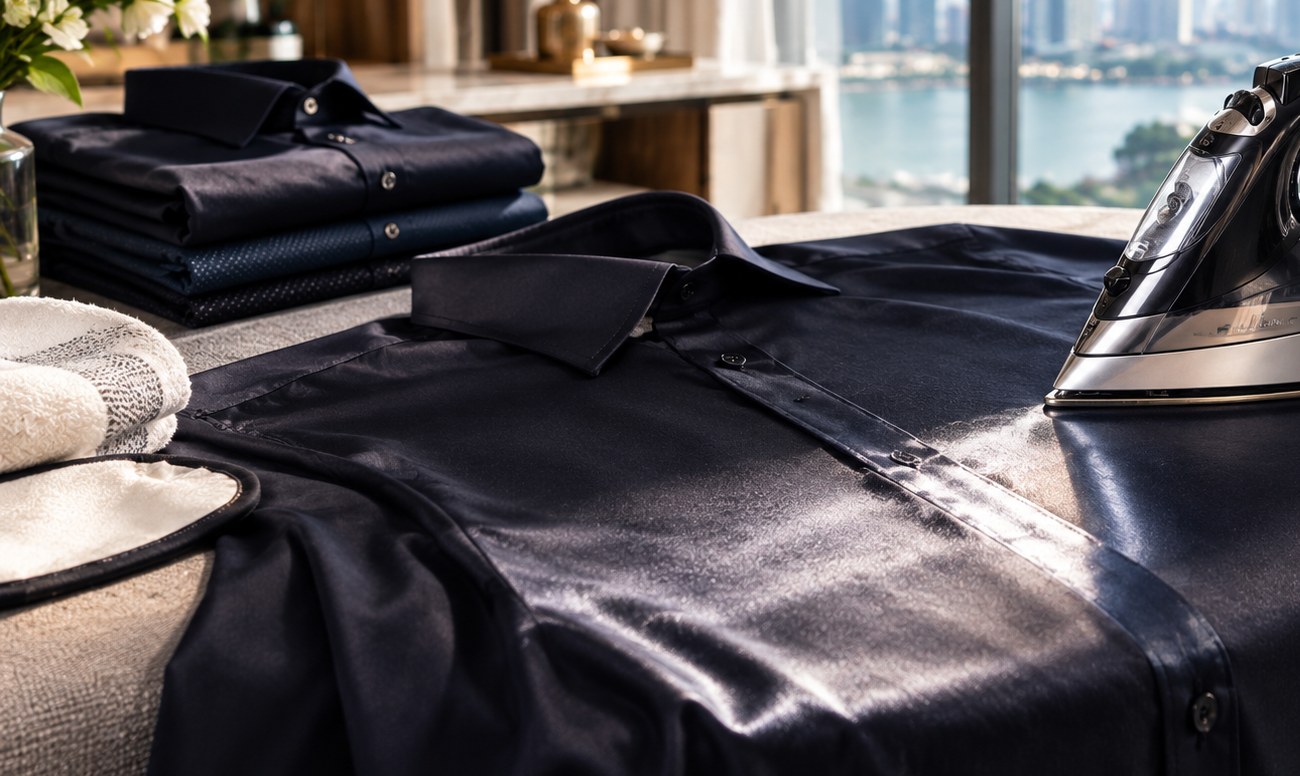
Fabric has a slightly textured surface made of tiny fibres and yarn bumps that scatter light. Direct heat and pressure from the iron's soleplate press those fibres flat. A flatter surface reflects more light in one direction, which your eye reads as shine.
2. Dark colours exaggerate it
Light-coloured garments hide a polished surface, while navy, black and charcoal show every glossy patch. The fabric is not necessarily more damaged. It simply shows more.
3. Too much heat can glaze the surface
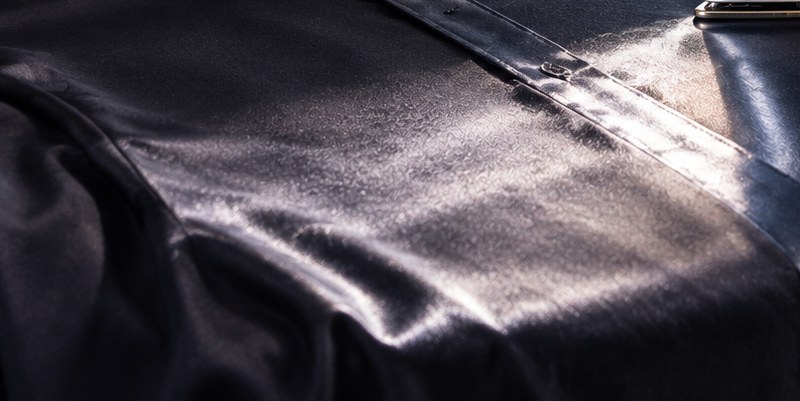
Synthetic fibres such as polyester, acetate and nylon can soften or partly melt under a hot iron. The surface becomes smooth, glazed and permanently shiny. This is the most serious type of iron shine and usually cannot be reversed.
4. Seams and thick areas take the most pressure
Seams, plackets, cuffs and darts are thicker than the surrounding fabric, so they take the most pressure from the iron. That is why shiny lines often appear exactly where the layers overlap.
5. A dirty or scratched soleplate
Residue, starch or scratches on the iron's base can drag across the cloth and polish or mark it. A clean, smooth soleplate makes a real difference.
Which fabrics are most at risk?
Every fabric has its own limit. Tap each card for our verdict.
Cotton & cotton blends
Fairly tolerant, but dark cottons still polish at seams.
Tap to reveal the verdict →Usually safe, with care
Iron inside out at the temperature on the care label, using steam. Press seams lightly and avoid resting the iron on one spot.
Polyester & synthetics
Heat can glaze the fibres and leave permanent shine.
Tap to reveal the verdict →High risk
Use a low heat setting, always use a press cloth and rely on steam. Never press hard. If the fibre has glazed, shine cannot usually be removed.
Wool & tailoring
Wool shines easily when pressed dry against the surface.
Tap to reveal the verdict →Go professional
Use a press cloth and steam, and lift the iron rather than sliding it. Structured jackets and trousers are best pressed professionally.
Silk, satin & delicates
Fine fabrics mark easily and can scorch.
Tap to reveal the verdict →High risk
Use the lowest suitable temperature with a press cloth, and test on a hidden area first. Valuable pieces are better in professional hands.
| Fabric | Shine risk | Safest approach |
|---|---|---|
| Cotton | Medium | Inside out, steam, press cloth on seams |
| Linen | Low to medium | Higher heat is fine; iron damp |
| Wool | High | Press cloth and steam; lift, don't slide |
| Polyester & blends | Very high | Low heat, press cloth, steam only |
| Silk & satin | Very high | Lowest heat; professional care preferred |
How to iron dark fabrics without shine
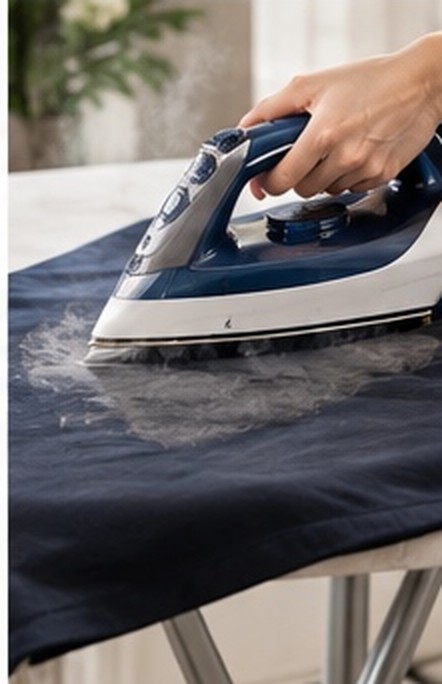
Always read the care label first. This method suits most dark garments, from everyday shirts to trousers.
- Check the care label. Note the maximum ironing temperature. If the garment is marked "do not iron", or "dry clean only", do not iron it at home.
- Set the iron to the right temperature. Match the dial to the fabric, and when in doubt, start lower. You can always increase the heat, but you cannot undo shine.
- Clean the soleplate. A clean, smooth base prevents dragging and marks. Let the iron heat up fully before you begin.
- Turn the garment inside out. Ironing on the reverse keeps the soleplate off the outer surface, where shine would show.
- Use a press cloth. Lay a clean white cotton cloth between the iron and the fabric, especially over seams, collars and cuffs.
- Use steam and a light touch. Let steam relax the creases, and keep the iron moving. Lift and press rather than dragging heavily.
- Let it cool and set. Hang or lay the garment flat for a few minutes before wearing or folding it.
Can iron shine be fixed?
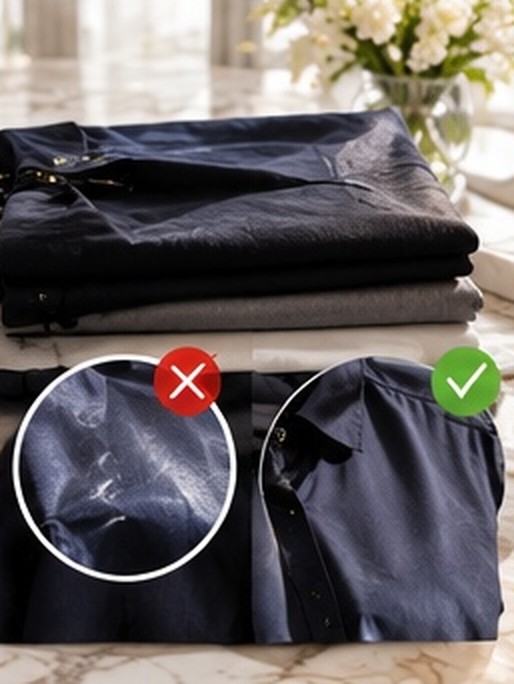
It depends on what caused it. Light shine on wool or cotton, where the fibres have simply been pressed flat, can often be improved. Glazed or melted synthetic fibres usually cannot.
- Steam it gently. Hold a steamer or the iron a few centimetres above the fabric so the steam can relax the fibres. Do not touch the surface.
- Brush while the fabric is warm and damp. A soft clothes brush can lift flattened fibres on wool and heavier cottons. Use light strokes in the direction of the weave.
- Use a damp press cloth at low heat. On sturdy fabrics, lightly pressing through a damp cloth can help the fibres recover. Test on a hidden area first.
- Accept the limits. If the fabric has melted or glazed, home treatments will not reverse it.
If a garment is valuable or the shine persists, a professional can assess the fabric and use equipment designed for the job.
How to prevent iron marks on dark clothes
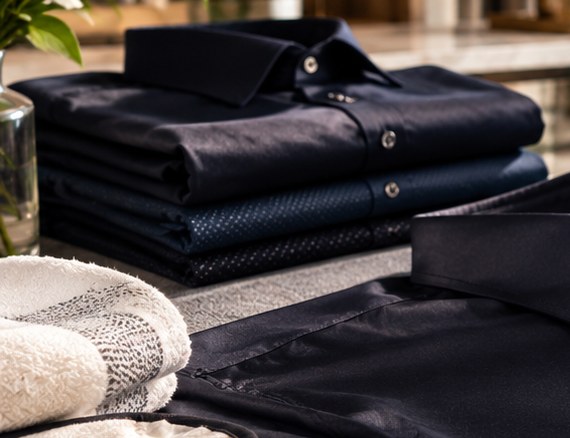
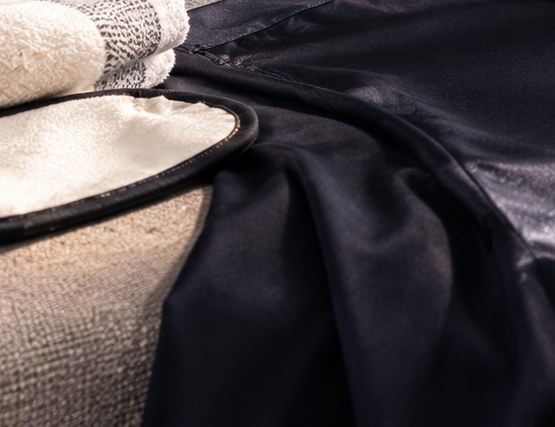
Prevention is far easier than correction. These habits protect your darkest and finest garments.
- Iron inside out, every time. It is the simplest and most effective habit.
- Always use a press cloth on dark fabrics. A clean white cotton cloth or a pressing cloth keeps the soleplate off the surface.
- Use steam, not pressure. Steam relaxes creases without flattening the fibres.
- Iron while the garment is slightly damp. Less pressure is needed, so there is less risk of polishing.
- Press seams lightly. Use the tip of the iron and avoid heavy pressure over thick areas.
- Hang garments promptly after washing. Smoothing and hanging damp garments reduces how much ironing they need.
- Keep your iron clean. Remove residue from the soleplate, and replace an iron with a scratched base.
- Test a hidden area first. Check the seam allowance or inside hem if you are unsure.
Ironing mistakes that cause shine
| Common mistake | Why it causes problems | Better approach |
|---|---|---|
| Ironing the right side directly | Polishes the visible surface. | Iron inside out or use a press cloth. |
| Using too high a temperature | Flattens or melts the fibres. | Follow the care label; start lower. |
| Pressing hard | Flattens the texture and shines seams. | Use steam and a light touch. |
| Resting the iron on fabric | Leaves a glossy or scorched imprint. | Lift and stand the iron upright. |
| Ironing dry fabric | Needs more heat and pressure. | Iron slightly damp, with steam. |
| Using a dirty soleplate | Drags and marks the cloth. | Clean the base before every session. |
| Ignoring the care label | Risk of permanent damage. | Check the label and test first. |
When to choose professional pressing
Some garments are simply too valuable, structured or delicate for home pressing. Professional care is the right choice for:
- Tailored suits, blazers and overcoats.
- Wool, silk, satin and other delicate fabrics.
- Formalwear, evening wear and designer pieces.
- Garments with existing shine or marks that have not responded to gentle steaming.
- Anything labelled "dry clean only".
A professional presser uses equipment designed for each fabric, including steam, pressing pads, controlled heat and finishing, so garments look crisp without the polished marks that home ironing can leave. It also gives a trained eye the chance to assess a fabric before any heat is applied.
Frequently asked questions
The bottom line: inside out, press cloth, steam
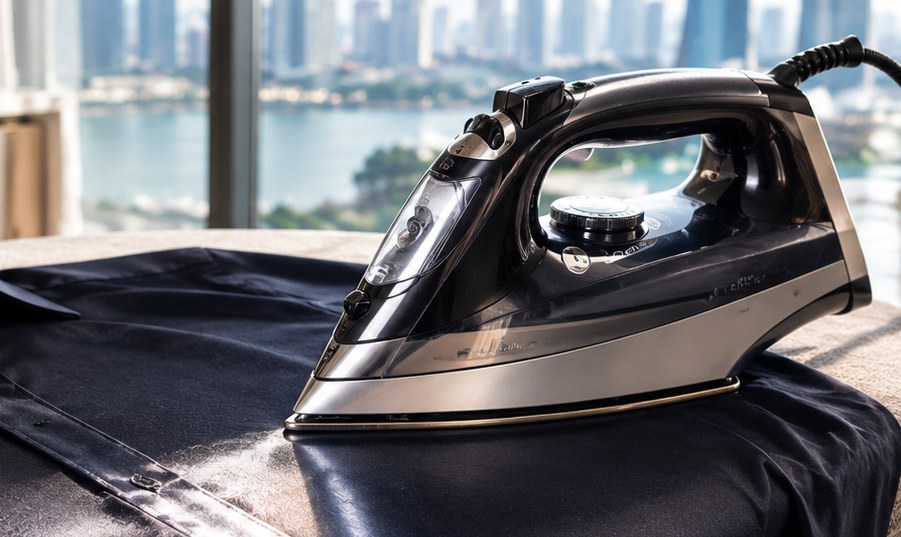
Clothes look shiny after ironing because heat and pressure flatten the surface fibres. With the right temperature, a press cloth, steam and a light touch, dark garments can stay crisp without the glossy marks.
For tailored, delicate and valuable pieces, professional pressing removes the risk. Dryz offers convenient pickup and delivery for dry cleaning and laundry across Melbourne, so your favourite dark garments are cleaned and pressed properly and returned ready to wear.