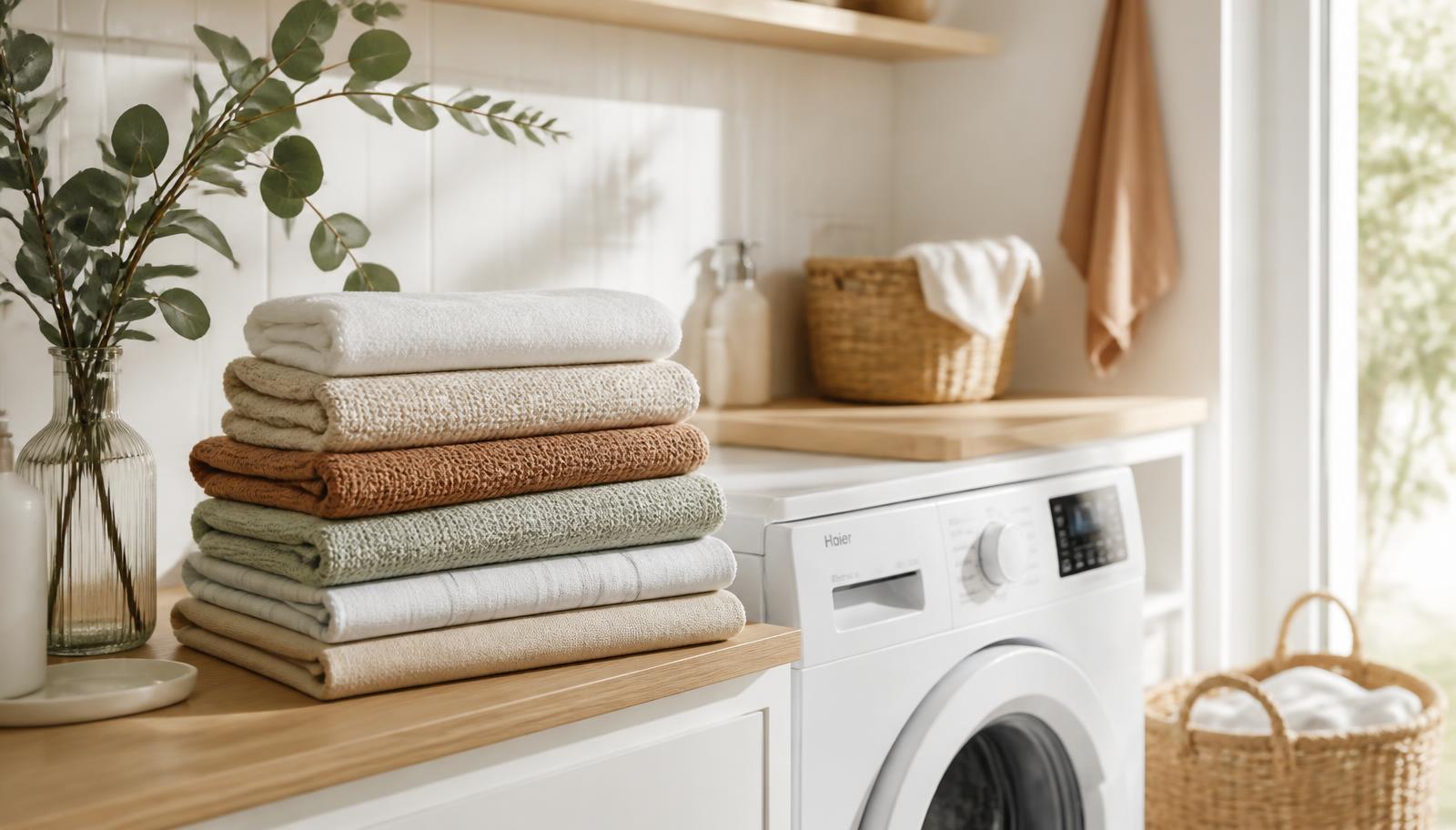
You pull a shirt off the chair, give it the sniff test, hesitate for two seconds — and throw it in the basket anyway. Everyone does it. And every single time, you are quietly shortening the life of something you paid good money for.
Here is the part most of us were never taught: over-washing damages clothes faster than wearing them does. Every cycle drags fibres against each other, fades dye, loosens elastic and dulls the finish on wool and silk. The dryer finishes the job. That grey tinge on a once-white tee and the sagging waistband on your favourite jeans are not age — they are laundry mileage.
The flip side is just as true. Leave activewear sitting damp in a gym bag through a humid Sydney summer and you are growing bacteria, not saving fabric. The skill is knowing which garments belong in each camp — and this guide gives you the number for every item in your wardrobe.
Why washing less is actually better care
A washing machine is a controlled storm. Water, detergent, friction and spin all work on the fabric at once, and every pass costs the garment a little structure.
- Fibres break down. Cotton sheds microscopic fibres each wash — that's the lint in your filter, and it came off your clothes.
- Colour fades. Detergent and agitation lift dye, especially from denim and dark cotton.
- Elastic dies. Heat is the enemy of the stretch in bras, activewear and waistbands.
- Shape goes. Wool and cashmere felt and stretch when washed too often or too hot.
- Bills climb. Fewer loads means less water, less power and less time.
The complete washing frequency chart
| Item | Wash after | Why |
|---|---|---|
| Underwear & socks | Every wear | Direct skin contact, sweat and bacteria. |
| Activewear & swimwear | Every wear | Sweat, chlorine and salt degrade fibres if left. |
| T-shirts & singlets | Every wear | Worn against skin, absorbs sweat and deodorant. |
| Business shirts | 1–2 wears | Collars and cuffs mark quickly. |
| Bras | 3–4 wears | Frequent washing destroys elastic and shape. |
| Jeans & chinos | 4–5 wears | Washing fades dye and loosens the fit. |
| Jumpers & knitwear | 3–5 wears | Worn over a layer; wool resists odour naturally. |
| Skirts & trousers | 3–5 wears | Limited skin contact. |
| Blazers & suits | Every 5–10 wears | Dry clean sparingly; brush and air between. |
| Coats & jackets | 1–2 times a season | Outer layer only; spot clean as needed. |
| Pyjamas | 3–4 wears | Worn on clean skin, but still absorbs sweat. |
| Bath towels | Every 3 uses | Damp fabric grows bacteria fast. |
| Bed sheets | Weekly | Skin cells, oils and dust mites build up. |
Everyday basics: wash them every time
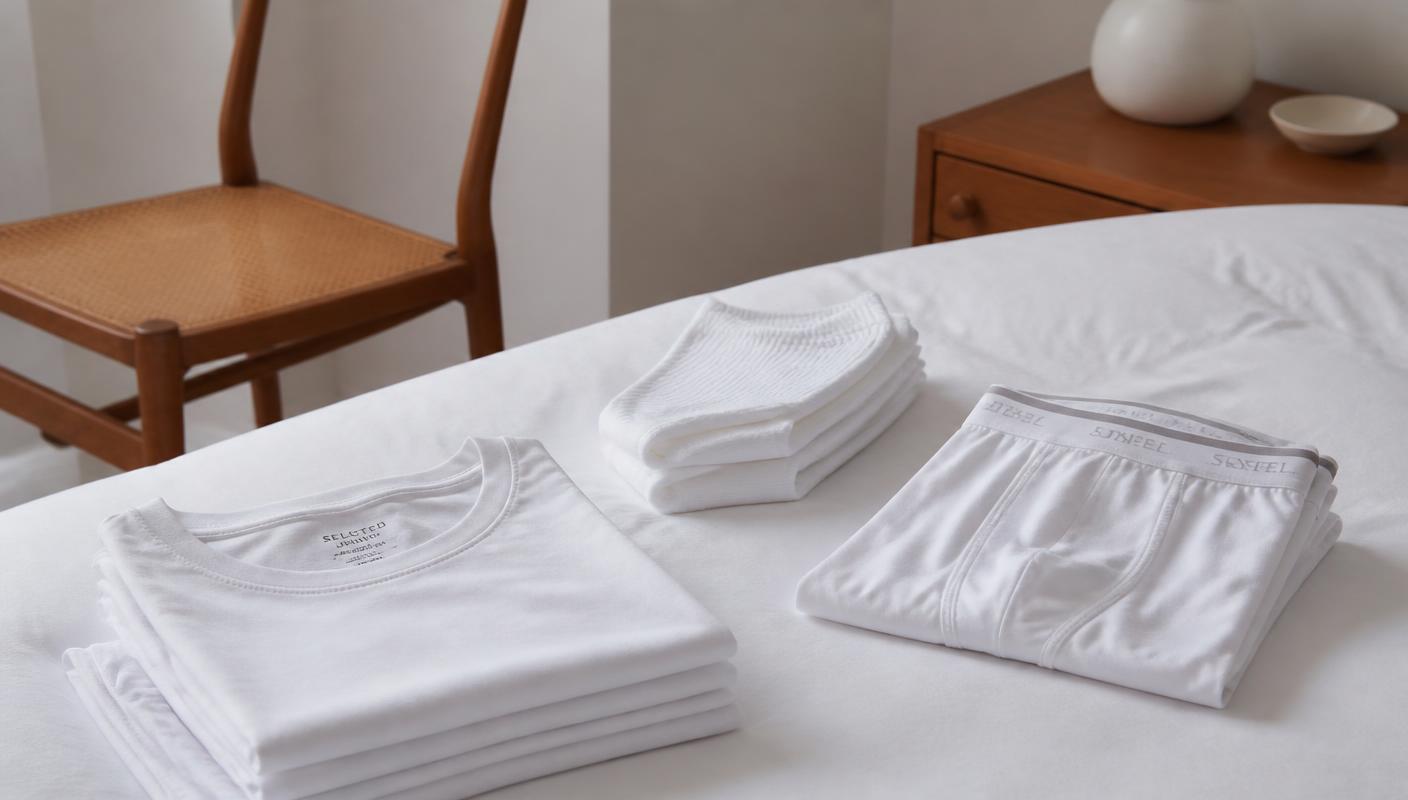
Underwear, socks, singlets and t-shirts sit against your skin all day and soak up sweat, body oils and deodorant. There is no upside to stretching these out — they are cheap to replace, sturdy enough for regular cycles, and unpleasant when they're not fresh.
Activewear needs washing immediately
Gym gear is the one category where delay causes real damage. Synthetic performance fabrics trap odour-causing bacteria, and a sweaty top left in a bag overnight can hold that smell permanently. Rinse it, hang it, and wash it cold on a gentle cycle with no fabric softener — softener coats the fibres and kills the moisture-wicking.
Bras are the exception
Bras go three to four wears. Washing them after every use destroys the elastic that does all the work. Rotate two or three, hand wash in cool water or use a lingerie bag on a delicate cycle, and never put them in the dryer.
Jeans and knitwear: the "wear it again" crowd
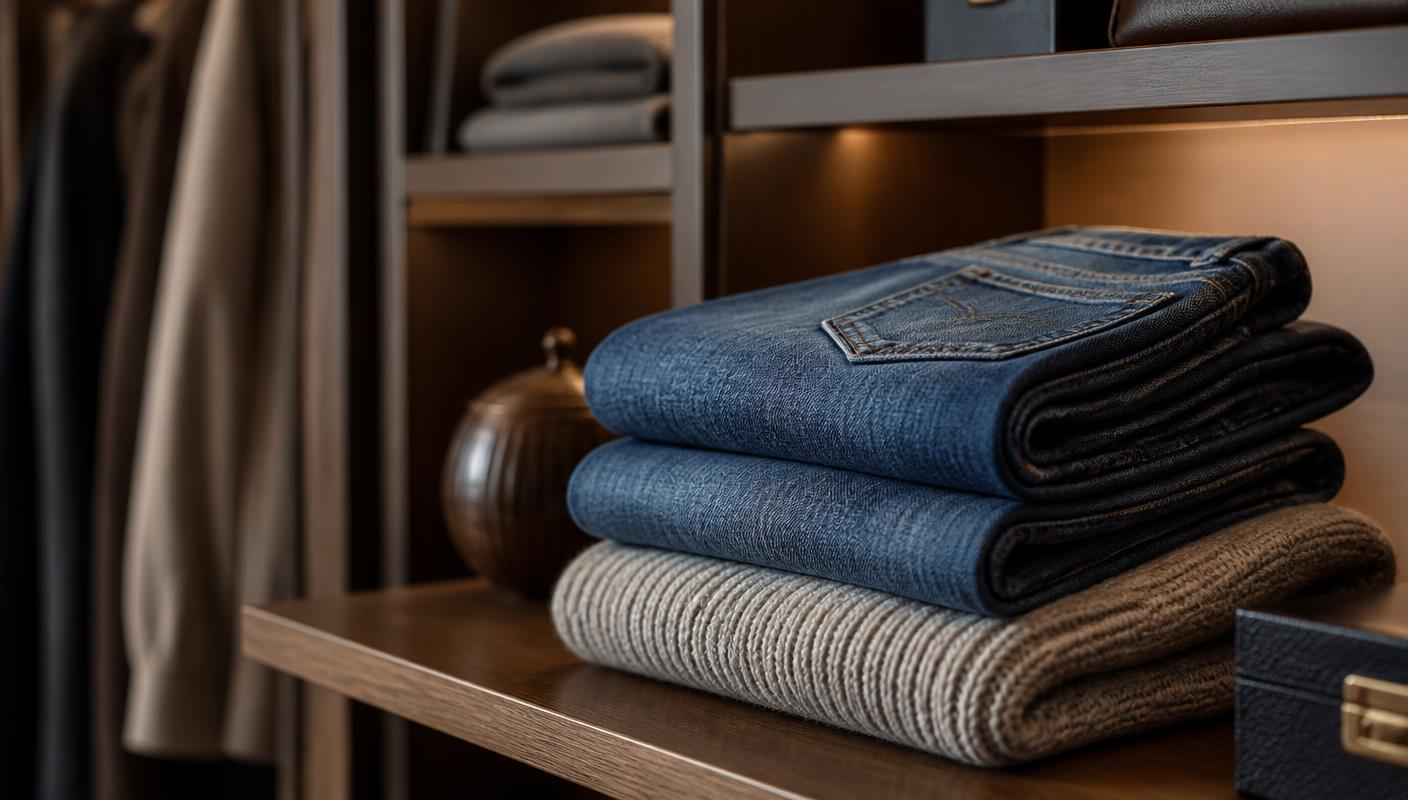
Jeans: 4 to 5 wears, minimum
Denim makers themselves recommend washing sparingly. Every wash lifts indigo and softens the structure that gives jeans their shape. Wash them inside out in cold water, and hang them to dry rather than tumbling. Between washes, hang them somewhere airy — a night on a hook does more for freshness than most people expect.
Jumpers, cardigans and wool
Wool is naturally odour-resistant and self-refreshing, which is why a merino jumper can go five or more wears comfortably. Because knitwear almost always sits over a t-shirt, your base layer takes the sweat instead. Air it flat overnight, and wash only when it's genuinely marked or has lost its freshness.
👖 Denim
Cold wash inside out every 4–5 wears. Hang dry to keep the fit and colour.
4–5 wears🧶 Merino wool
Air between wears. Hand wash cool or wool cycle, then dry flat.
5+ wears👔 Business shirts
Collars and cuffs show first. Wash after one wear, two at most.
1–2 wears👗 Silk & viscose
Delicate and sweat-sensitive. Wash or dry clean after 1–2 wears.
1–2 wearsSuits, blazers and coats: less is more
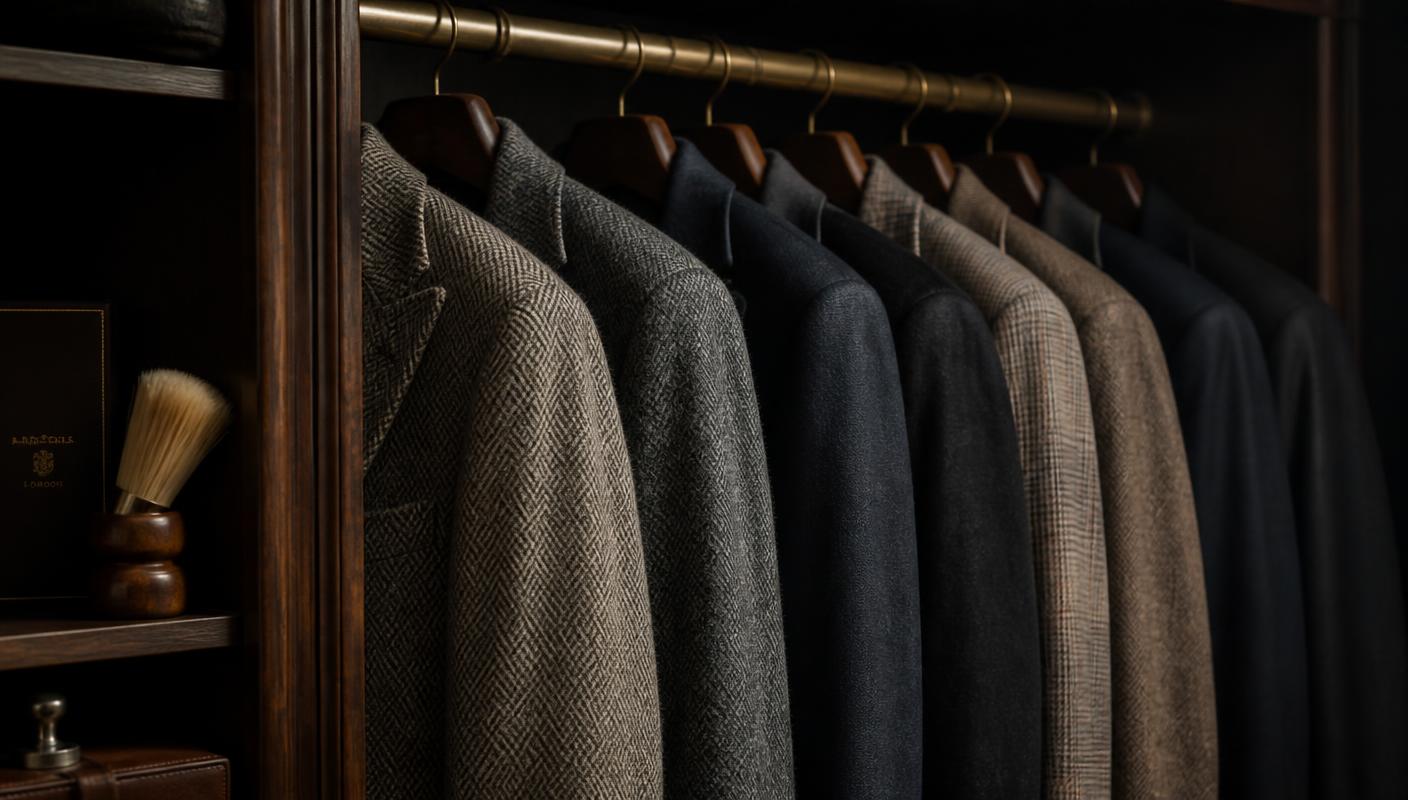
Tailored garments are the most over-cleaned items in most wardrobes. Dry-cleaning solvents are effective but harsh, and repeated cleaning flattens the wool and wears down the internal canvas that gives a jacket its shape.
- Suits and blazers: dry clean every 5–10 wears, or roughly twice a season for regular office wear.
- Wool coats: once or twice a season — usually a clean before you store it away.
- Puffers and rain jackets: once or twice a season, using the specific care instructions on the label.
- Between wears: hang on a broad wooden hanger, brush along the grain, and let the jacket rest a day before wearing again.
Towels, sheets and robes
| Household item | Wash every | Note |
|---|---|---|
| Bath towels | 3 uses | Hang fully spread out so they dry between uses. |
| Hand towels | 2–3 days | Used constantly and by everyone. |
| Tea towels | Daily to every 2 days | Food contact — don't stretch this one. |
| Bed sheets | Weekly | Every 3–4 days in summer or if you sweat at night. |
| Pillowcases | Twice weekly | Helps with skin and breakouts. |
| Doona covers | Every 2–4 weeks | More often without a top sheet. |
| Bathrobes | Every 3–4 uses | Worn on clean skin, but stays damp. |
The Australian factor: heat, humidity and salt
Most washing advice online is written for cooler climates. Australian conditions change the numbers, and usually in one direction.
- Summer and the tropics. In Brisbane, Darwin or a Perth heatwave, sweat resets the counter. Anything worn against the skin in real heat gets washed after one wear, full stop.
- Humidity. Damp air slows drying and encourages mildew. Never leave a wet load sitting in the machine, and dry towels somewhere with airflow.
- Beach and pool days. Salt and chlorine are abrasive. Rinse swimwear, rash vests and beach towels the same day.
- Sunshine is free. Line drying is gentler than a dryer and naturally freshens fabric — but dry darks and delicates inside out or in the shade, because harsh Australian UV fades colour fast.
- Winter down south. A Melbourne winter is the easy season: coats, knits and layers can comfortably go the full stretch between cleans.
Five signs to wash early, whatever the chart says
- You can smell it. The honest sniff test still wins over any schedule.
- There's a visible mark. Stains set with time — treat them the same day.
- You sweated properly in it. Heat, exercise, a long commute in the sun.
- You were sick, or around someone who was. Reset everything worn during it.
- Food, smoke or strong smells. A night out or a barbecue soaks into fabric.
Frequently asked questions
The bottom line
Wash what touches your skin every time. Air everything else and wash it when it needs it. That single habit keeps your wardrobe looking newer for longer, cuts your power and water bills, and takes loads off your week.
For the pieces where the stakes are higher — suits, wool coats, silk, formalwear and doonas that won't fit your machine — professional cleaning is the safer call. Dryz picks up, cleans and delivers across Melbourne, so the items you care most about are handled properly without you leaving the house.