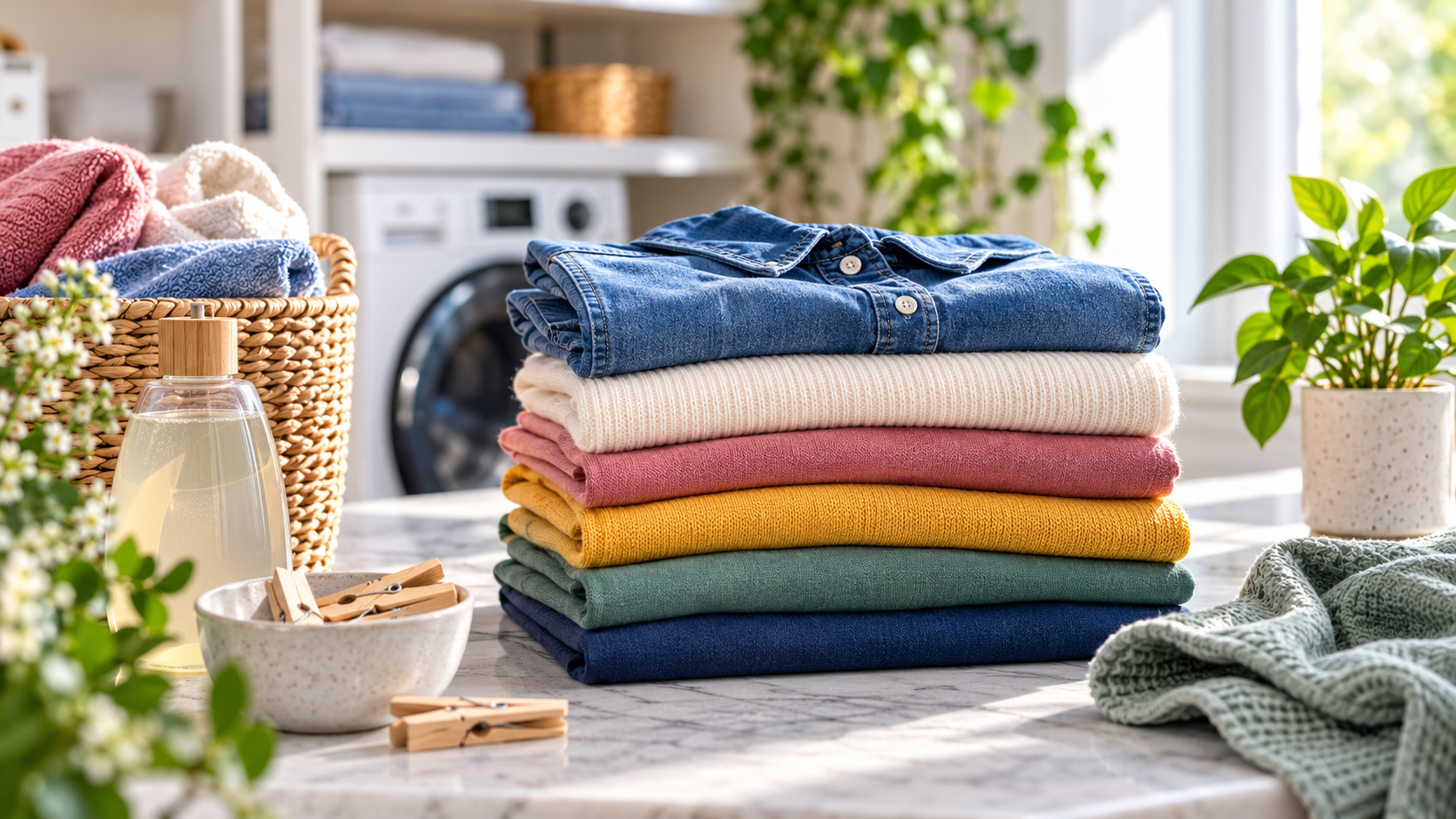
Remember the first time you slipped on that perfect navy dress? The way the colour looked almost liquid — deep, rich, unmistakably new? Now pull it out of the wash for the twentieth time and you'll find something closer to "sad denim". Fading isn't a flaw in your clothes. It's the quiet toll of heat, friction, sunlight and chemistry — and the frustrating part is that most of it is entirely preventable.
Here in Australia, we face a unique double act: fierce UV that bleaches a clothesline in a single summer afternoon, and hard water in many suburbs that strips dye from fibres with every cycle. The good news? Once you understand what colour actually is and how it escapes your garments, keeping your wardrobe looking showroom-fresh becomes second nature. This is the Dryz team's complete playbook for washing clothes without fading their colours — from your favourite black tees to those bright summer linens.
Why Clothes Fade in the First Place
Fading isn't one problem — it's four. Understanding which villain is attacking your favourite pieces tells you exactly how to fight back:
- Heat breaks dye bonds. Most garment dyes sit on or within fibres as molecules held by relatively weak chemical bonds. Every 10°C rise in wash temperature accelerates the breakdown of those bonds. A 60°C cycle doesn't just clean harder — it actively un-dyes your clothes.
- Agitation scours colour away. The mechanical tumbling of a wash cycle micro-abrades fibre surfaces. Dye that's only loosely bound — especially on cheaper prints and over-dyed garments — literally rubs off. This is why the inside of your washing machine door ends up tinted after washing new red towels.
- UV light is a bleaching agent. Ultraviolet radiation breaks down chromophores — the molecular structures that create colour. That "sun-kissed" look on line-dried clothes is actually sun-stripped. In an Australian summer, a few hours of direct midday sun can fade a garment as much as a dozen hot washes.
- Harsh detergents strip the finish. Optical brighteners, chlorine and high-alkaline formulas attack dyes and the protective finishes applied during manufacturing. Too much detergent doesn't clean better — it leaves residue that dulls colour and attracts grime.
The Golden Rules of Colour-Safe Washing
- Sort ruthlessly — and not just darks from lights. Separate by colour family: reds with reds, navies with blacks, pastels together. New, deeply dyed garments (hello, indigo jeans) should be washed alone or with like colours for their first three to four cycles.
- Turn everything inside out. This single habit protects the visible face of the fabric from abrasion and direct detergent contact. Logos, prints and the outer surface of denim will thank you.
- Choose cold — genuinely cold. Set your machine to 20–30°C. Modern detergents are formulated for cold water performance, so you're sacrificing nothing except colour loss.
- Use a colour-safe, liquid detergent. Liquids dissolve instantly in cold water (powders can leave undissolved granules that bleach spots). Look for "colour care" or "colour protect" on the label — these are formulated at a neutral pH.
- Drop in a colour catcher sheet. These inexpensive sheets absorb loose dye in the water before it can redeposit onto other garments — cheap insurance when washing mixed loads.
- Skip the soak. Soaking coloured clothes — especially in warm or hot water — is a dye extraction bath. If you must pre-treat a stain, spot-treat it directly and wash promptly.
- Don't overload, don't over-wash. An overstuffed drum increases friction dramatically. And unless it's underwear or activewear, most garments can be worn two to three times between washes. Every cycle is a small tax on colour.
Fabric-by-Fabric Guide
Not all fabrics surrender their colour equally. Here's how to treat the usual suspects:

🖤 Dark Denim & Black Cotton
The highest-risk items in any wardrobe. Wash jeans inside out in cold water, use a denim-specific detergent, and spot-clean between washes. A vinegar rinse on first wash helps lock indigo in place.
Wash: Cold, gentle, inside out
🌈 Bright Prints & Patterns
Heat is the enemy of vibrancy — it dulls both dyes and prints. Wash cold with like colours only, and never tumble-dry printed tees: the dryer's heat fades prints faster than a dozen washes.
Wash: Cold, like colours, air dry
🧶 Wool & Knitwear
Wool fibres are porous and hold dye beautifully — until agitation felts them and squeezes colour out. Use a wool wash cycle, cool water, and reshape flat to dry in shade away from any sun.
Wash: Cool wool cycle, dry flat in shade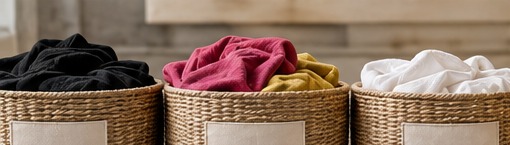
🏃 Synthetics & Activewear
Polyester holds dye well, but performance finishes and elastane hate heat. Wash cold, skip fabric softener (it coats fibres and dulls both colour and wicking), and air dry — dryers kill stretch and vibrancy together.
Wash: Cold, no softener, air dryLinen & Summer Weaves
Linen softens and fades charmingly over time, but you can slow it. Wash cool with a gentle detergent, remove promptly, and dry in shade. Iron while slightly damp to keep that crisp, boutique look.
Wash: Cool, dry in shade, iron dampSilk & Delicates
Silk dyes are stunning and fragile. Hand wash cold with a delicates detergent or use a mesh bag on the most gentle cycle. Never wring, never tumble dry — roll in a towel and dry flat in shade.
Wash: Hand wash cold, dry flat in shadeThe Wash Temperature Guide
When in doubt, print this table out and tape it inside your laundry door:
| Garment Type | Water Temp | Cycle | Dry Method |
|---|---|---|---|
| Dark denim & black cotton | Cold (20–30°C) | Gentle / delicate | Shade, inside out |
| Bright colours & prints | Cold (20–30°C) | Normal / gentle | Shade air dry |
| Everyday lights & whites | Warm (30–40°C) | Normal | Sun or shade |
| Heavily soiled workwear | Warm (40°C) | Heavy duty | Shade air dry |
| Bed linens & towels | Warm–Hot (40–60°C) | Heavy duty | Sun (natural sanitiser) |
| Wool, silk & delicates | Cold | Hand wash / wool cycle | Flat, shade |
| Activewear & synthetics | Cold | Gentle | Shade air dry |

Drying Without Fading
Washing gets the blame, but the dryer and the sun do half the damage. Australians love a sun-dried sheet — and for whites and linens, the sun is a brilliant natural whitener and sanitiser. But for anything with colour you want to keep, shade is non-negotiable.
- Dry in shade, always, for coloured garments. A breezy shaded spot dries clothes almost as fast as full sun — without the UV assault.
- Remove clothes the moment they're dry. Hours of extra line time after drying is pure unnecessary UV and dust exposure.
- Reshape knits and lay flat. Hanging heavy wet knits stretches fibres and distorts dye distribution, causing uneven fading at stress points.
- Avoid the tumble dryer for brights and delicates. Heat + tumbling = maximum dye loss. If you must use it, low heat and inside-out garments, and pull them out slightly damp.
Common Colour-Care Myths — Flip to Reveal the Truth
Click each card to flip it and see what the laundry folklore gets wrong:
Myth: More detergent = cleaner, brighter clothes
Tap to reveal →
❌ The Truth
Excess detergent leaves residue that traps dirt and dulls colour. Front loaders need far less than you think — usually 1–2 tablespoons for a full load. More suds, less vibrancy.
Myth: Hot water cleans better, so it's worth it
Tap to reveal →
❌ The Truth
Modern enzyme detergents work brilliantly in cold water. Hot water only marginally improves cleaning of heavy soiling — while dramatically accelerating dye loss. Cold is the professional default.
Myth: Sun drying is always best in Australia
Tap to reveal →
❌ The Truth
Sun is great for whites and towels — it's a natural bleach and sanitiser. For coloured garments, our UV intensity fades dye shockingly fast. Shade-dry anything you love.
Myth: Salt & vinegar "set" all dyes permanently
Tap to reveal →
⚖️ Half True
A vinegar rinse can help on some natural fibres and first washes — but it won't rescue reactive dyes on cotton or polyester prints. It prevents residue dullness more than it "locks" colour.
Storage & Long-Term Colour Longevity
- Keep wardrobes out of direct sun. That gorgeous morning light hitting your open closet? It's slowly bleaching everything it touches. Use curtains or UV-filtering film on east/west-facing windows.
- Fold heavy knits; hang structured pieces. Hanging heavy wet or folded garments creates stress lines where colour fades first.
- Rotate your wardrobe. Constantly wearing and washing the same ten pieces accelerates their fade. Rotation spreads the load — literally.
- Wash before storing seasonal items. Invisible body oils and deodorant residue oxidise in storage and yellow or dull fabrics. Clean, fully dry garments store best in breathable cotton bags.
- Refresh between washes. Airing clothes overnight, using a garment steamer, or a quick cool-wear rotation keeps pieces fresher longer — every skipped wash is colour saved.
Frequently Asked Questions
Does cold water really prevent fading?
Yes — significantly. Dye molecules break down faster as temperature rises. Cold washing (20–30°C) can extend the vibrant life of a garment by years compared to warm cycles, and modern detergents are formulated to perform at low temperatures.
Can I wash colours with whites if I use a colour catcher?
Colour catchers are excellent insurance for mixed-colour loads, but they're not magic. We still recommend separating very dark or new garments (indigo denim, red items, anything labelled "wash separately") for at least their first three washes.
Why does my black clothing fade to grey so quickly?
Black dyes are actually a very deep concentration of multiple dyes, and each fades at a different rate — producing that washed-out grey. The culprits are usually hot water, over-detergent residue, tumble drying, or sun exposure. Switch to cold washes inside out, and always shade-dry.
Is fabric softener bad for coloured clothes?
On cottons and linens, softener is fine in moderation. On synthetics and activewear, skip it — it coats fibres, dulls colour appearance, and destroys moisture-wicking performance. It's also one more chemical residue that attracts dirt over time.
How can I revive clothes that have already faded?
For a mild refresh, a wash with a colour-restoring detergent or a dye bath (fibre-reactive dye for cotton, acid dye for wool/silk) can work wonders. For valuable pieces, professional colour restoration is safer — it's remarkable what a skilled finisher can bring back.