
You will spend roughly a third of your life with your face resting on it. It absorbs your skincare, your hair products, your sweat and your sleep, night after night. And yet, in even the most beautifully styled bedrooms, the pillow is often the one thing that never gets a proper clean.
The finest hotels are famously particular about their pillows: protected, laundered and replaced on a schedule. There is no reason your bedroom should be held to a lower standard. A fresh, properly cared-for pillow is one of the quietest luxuries in a home, and one of the easiest to restore.
This guide explains how often to wash your pillows, the clear signs it is time for a deep clean, how to do it without ruining the fill, and when it is wiser to replace rather than rescue.

How often should you wash your pillows?
Think of it as layers of protection. The pillowcase and protector take the daily load, so the pillow underneath stays cleaner for longer. Skip those layers and the pillow itself needs attention more often.
Your household matters too. Consider washing more frequently if you:
- Sleep with a partner, children or pets on the bed.
- Sweat overnight or sleep in a warm, humid room, which is common through a Melbourne summer.
- Use heavy skincare, hair oils or self-tan before bed.
- Have hay fever or dust sensitivities, especially through spring pollen season.
- Have been unwell or slept through a smoky or damp spell.
7 signs it is time for a deep clean

Do not wait for the calendar if your pillow is already telling you something. These are the signals worth acting on.
- A stale or musty smell. If it does not smell fresh when you press your face into it, moisture and body oils have built up inside the fill.
- Yellow or grey patches. Sweat, oils and skincare gradually soak through cases and protectors, leaving discolouration that a fresh pillowcase cannot hide.
- A damp or clammy feel. Pillows that feel slightly damp, even when the room is dry, need thorough cleaning and drying.
- Lumps and clumping. Fill that has bunched into knots often means moisture and residue have built up.
- Waking up congested or sneezy. Dust and allergens can collect in bedding. If symptoms are persistent, speak to your GP as well.
- Visible spills or marks. Makeup, tanning product, drinks and breakfast in bed are all reasons to act promptly.
- It has been more than six months. If you cannot remember the last time it was cleaned, it is due.
The fold test: clean it or replace it?
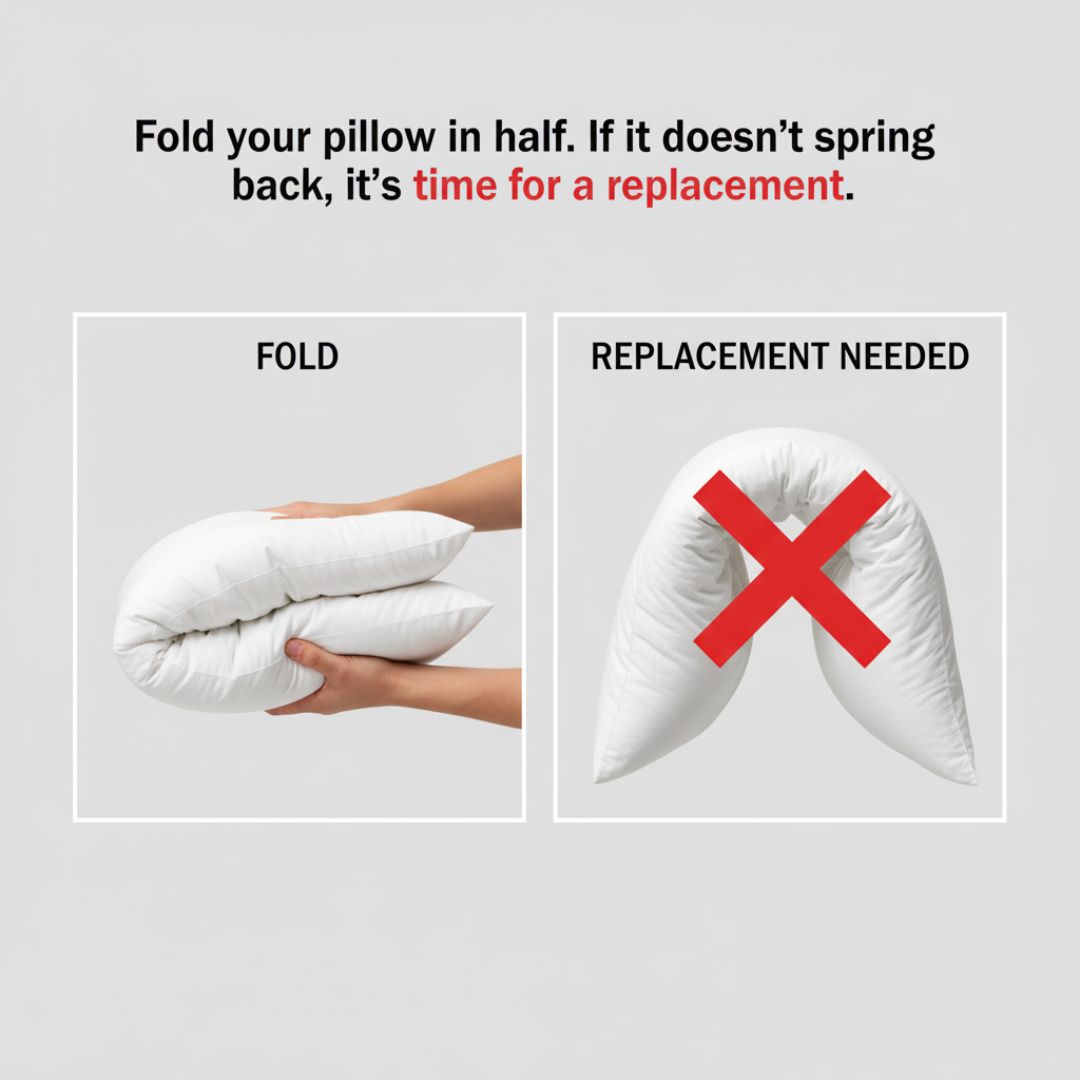
Before you spend an afternoon on a deep clean, check whether the pillow is worth saving. Fold it in half and let go.
- It springs back quickly: the fill still has life. Clean it and enjoy it.
- It stays folded or recovers slowly: the fill has broken down, and no amount of washing will restore the support you need.
This works best for synthetic and feather-style pillows. Memory foam and latex behave differently, as covered below.
How to clean each type of pillow
Different fills need different care. Use this as a general guide, and let the care label overrule it every time.
| Pillow type | Deep clean | Method | Replace roughly |
|---|---|---|---|
| Polyester / microfibre | Every 3–6 months | Machine wash if the label allows | Every 1–2 years |
| Down & feather | Every 6–12 months | Gentle wash or professional care | Several years if well cared for |
| Memory foam | Spot clean and air regularly | Do not machine wash | Every 2–3 years |
| Latex | Spot clean and air regularly | Do not machine wash | Every 3–5 years |
| Silk or wool filled | As directed by the label | Professional cleaning is safest | Varies by quality |
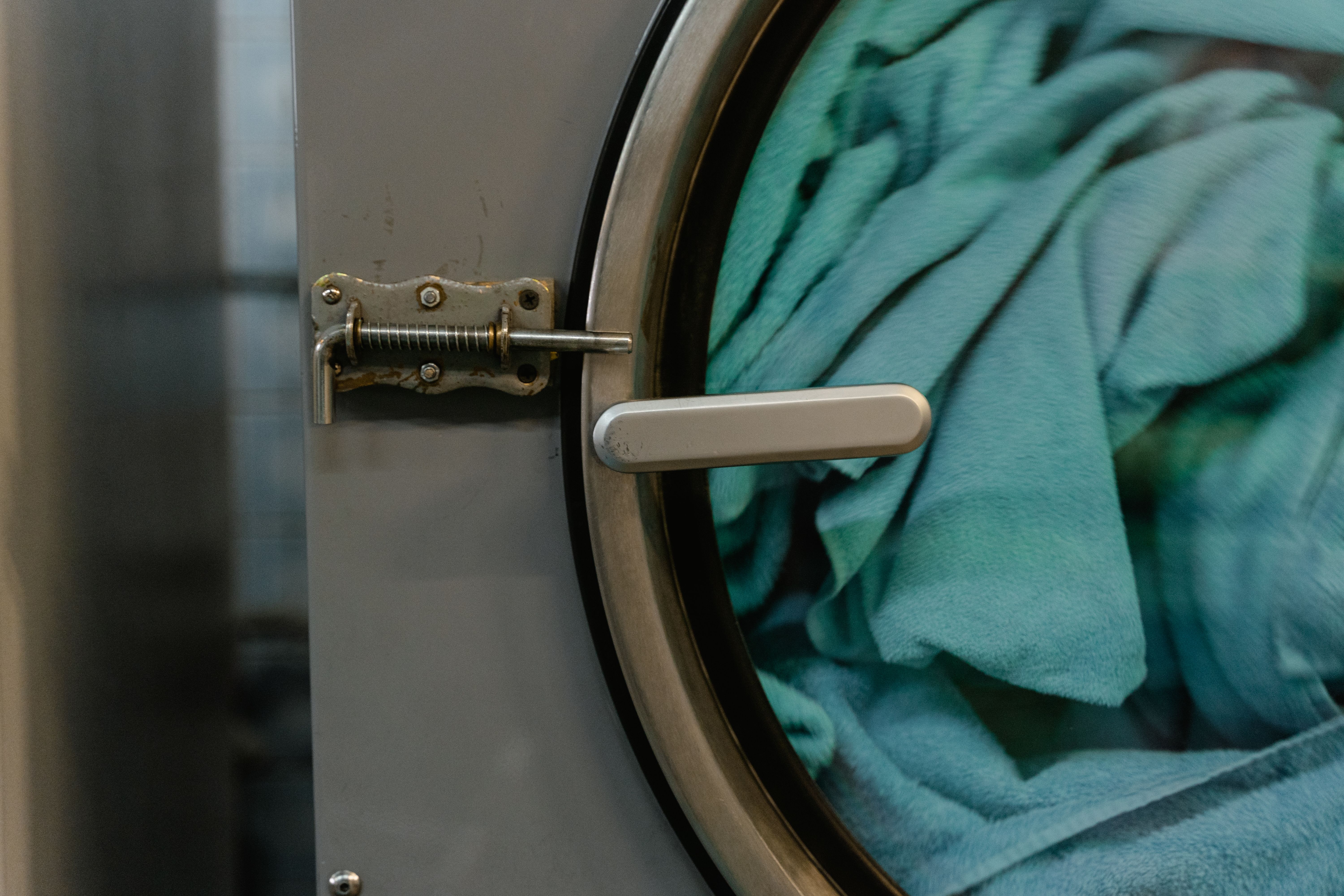
How to deep clean a washable pillow
- Read the care label. If it says dry clean only or do not wash, stop here.
- Treat visible marks first. Work a small amount of gentle liquid detergent into stains and let it sit briefly.
- Wash two at a time. A balanced load keeps the machine steady and the pillows evenly cleaned.
- Choose a gentle cycle at the temperature the label allows, with a mild detergent and less of it than you think you need.
- Add a second rinse. Leftover detergent leaves fill stiff and can irritate skin.
Drying is where most pillows are ruined
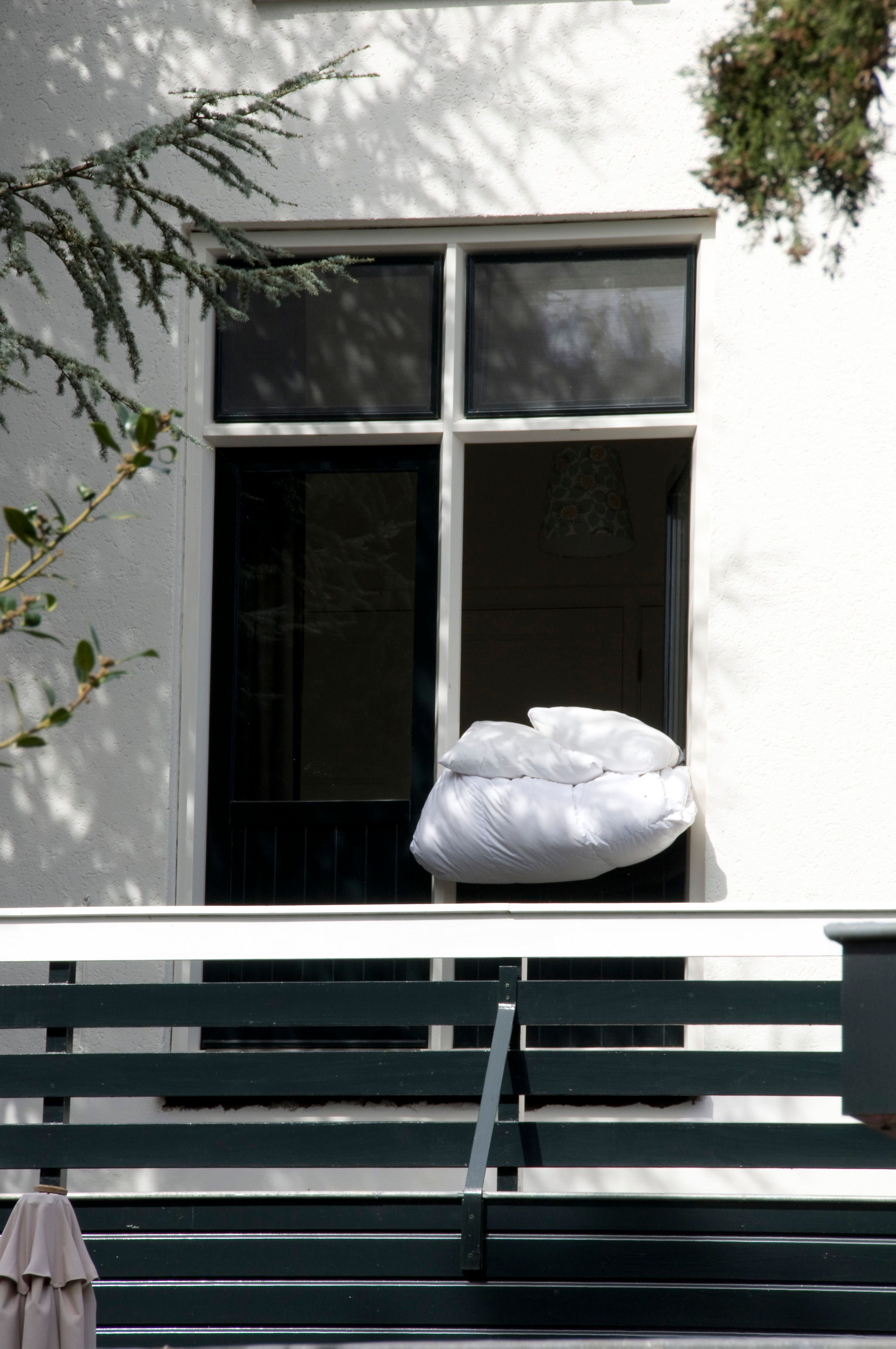
A pillow that feels dry on the surface can still be damp at its core, which is how musty smells return within days. Take your time.
- Tumble dry on low if the label allows, with a couple of clean dryer balls to break up clumps.
- Or air dry in fresh air, turning and plumping regularly. Melbourne sunshine helps, but avoid harsh direct sun for delicate fills.
- Test the centre. Squeeze deep into the pillow. Any coolness or dampness means it needs longer.
- Never use it until fully dry. Moisture trapped in fill is the fastest route to mildew.
When to stop cleaning and replace
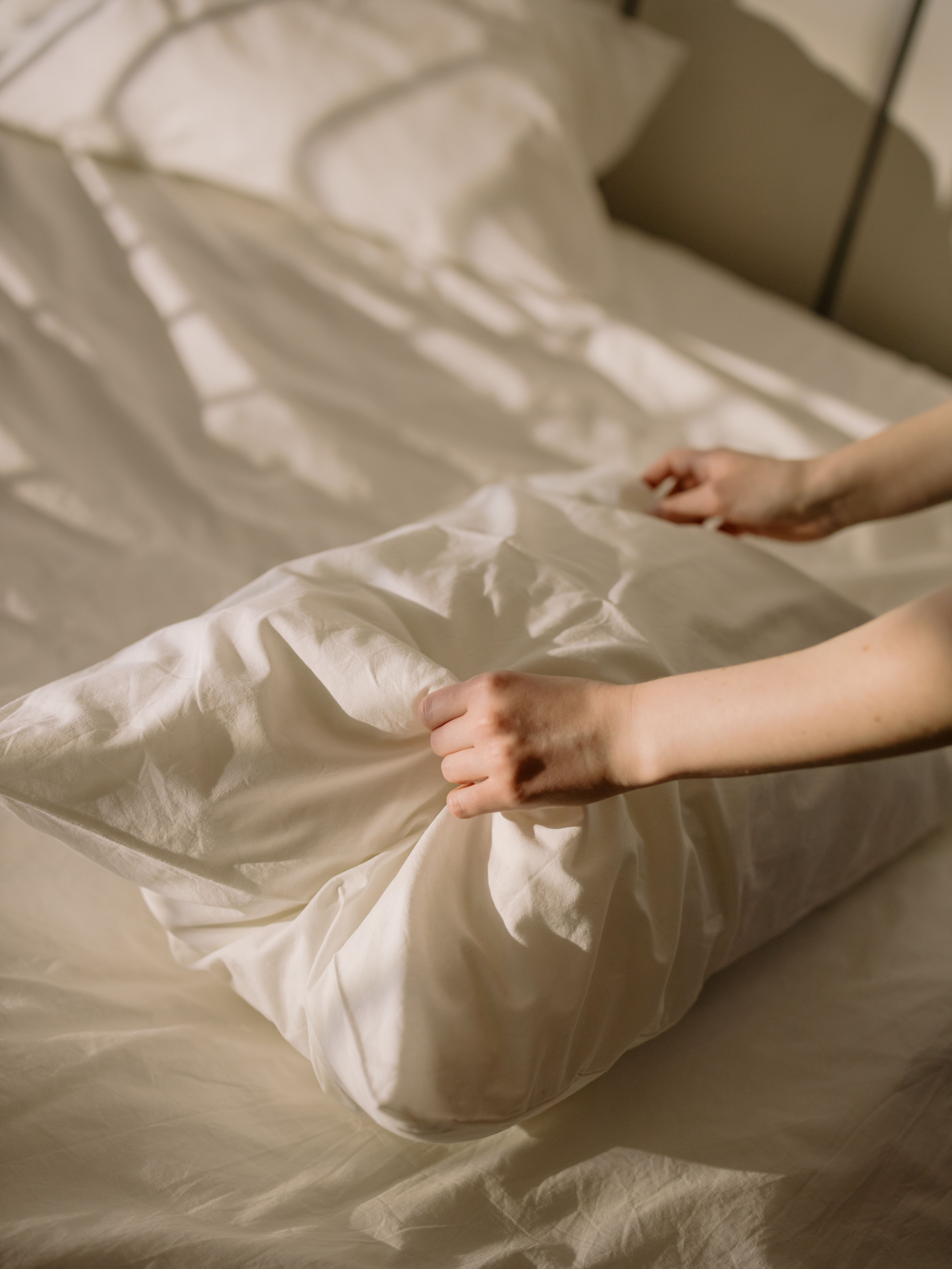
Cleaning refreshes a pillow, but it cannot rebuild worn-out fill. It is time for a new one if:
- It fails the fold test even after a proper clean.
- It has permanent stains or odours that return quickly.
- You wake with a stiff neck because it no longer supports you.
- It is well past its typical lifespan for the fill.
Frequently asked questions
The bottom line: a fresher pillow, a better night
Pillows are easy to overlook because the damage is gradual and out of sight. Wash your pillowcases weekly, protect the pillow, deep clean every three to six months where the label allows, and replace pillows that have lost their support. It is a small routine with a noticeable payoff every single morning.
And for bedding you would rather not risk, or simply do not have the time to manage, Dryz offers convenient pickup and delivery for dry cleaning and laundry across Melbourne. Speak to the Dryz team about your bedding and delicate items.