Accidentally shrinking a favourite garment is one of the most frustrating laundry mistakes — especially when the item is hard to replace. A shirt that fitted perfectly last week comes out of the dryer a size smaller, and there is rarely a way to fully undo it.
The good news is that shrinkage is almost always predictable and preventable. Once you understand how heat, moisture and agitation affect fibres, keeping your clothes their original size becomes a matter of a few simple habits.
What causes clothes to shrink in the laundry?
Shrinkage depends on the fibre type and on how much heat, moisture and mechanical action the garment meets during washing and drying.
Heat exposure
High temperatures are the main reason garments shrink. Hot water washes and high-heat drying make fibres contract. Natural fibres such as cotton, wool and linen are especially vulnerable. Wash cold and either air dry or use a low-heat dryer setting.
Agitation and mechanical action
The friction and tumbling inside a washer or dryer tightens fibres. Delicate fabrics such as wool and silk suffer most. Use the delicate cycle, or hand wash sensitive items, to reduce mechanical action.
Incorrect washing and drying methods
Overloading the machine stops clothes moving freely and increases friction. Harsh detergents and softeners can weaken fibres and make them more prone to shrinking. Follow the care label and never cram the drum.
The three types of shrinkage
Felting shrinkage
Happens in animal-hair fibres such as wool. Microscopic scales on the fibres lock together under heat and moisture, matting the fabric. Wash wool in cold water and dry it flat.
Relaxation shrinkage
Natural and synthetic fibres stretched during manufacturing relax back to their original size — usually in the first wash, and faster in warm water. Wash new clothes cold.
Consolidation shrinkage
A combination of heat, moisture and agitation releases the tension built into the fabric during production. This is the classic shrinking cotton t-shirt. Cold water and low dryer heat keep it in check.
Fabrics more prone to shrinking
| Fabric | Why it shrinks | Safest care |
|---|---|---|
| Cotton | Contracts readily with heat. | Cold wash, air dry. |
| Wool | Felting from heat, moisture and friction. | Cold wash or hand wash, dry flat. |
| Rayon | Delicate fibres distort easily when wet. | Hand wash cold, air dry. |
| Linen | Sensitive to heat and moisture. | Cold wash, air dry. |
| Silk | Shrinks and loses shape if washed or dried hot. | Hand wash cold or dry clean. |
| Denim | High dryer heat tightens the weave. | Cold wash, air dry or tumble low. |
Fabrics less prone to shrinking
🧵 Polyester
Durable synthetic fibres resist shrinking. Warm wash and low tumble dry are generally fine.
Low risk🧶 Nylon
Handles regular washing and drying without meaningful shrinkage.
Low risk🩳 Spandex
Stretch fibres hold their shape, which is why activewear survives frequent washing.
Low risk👕 Blends
Cotton-poly blends shrink less than pure cotton, but still prefer cold water and low heat.
DependsHow to keep clothes from shrinking
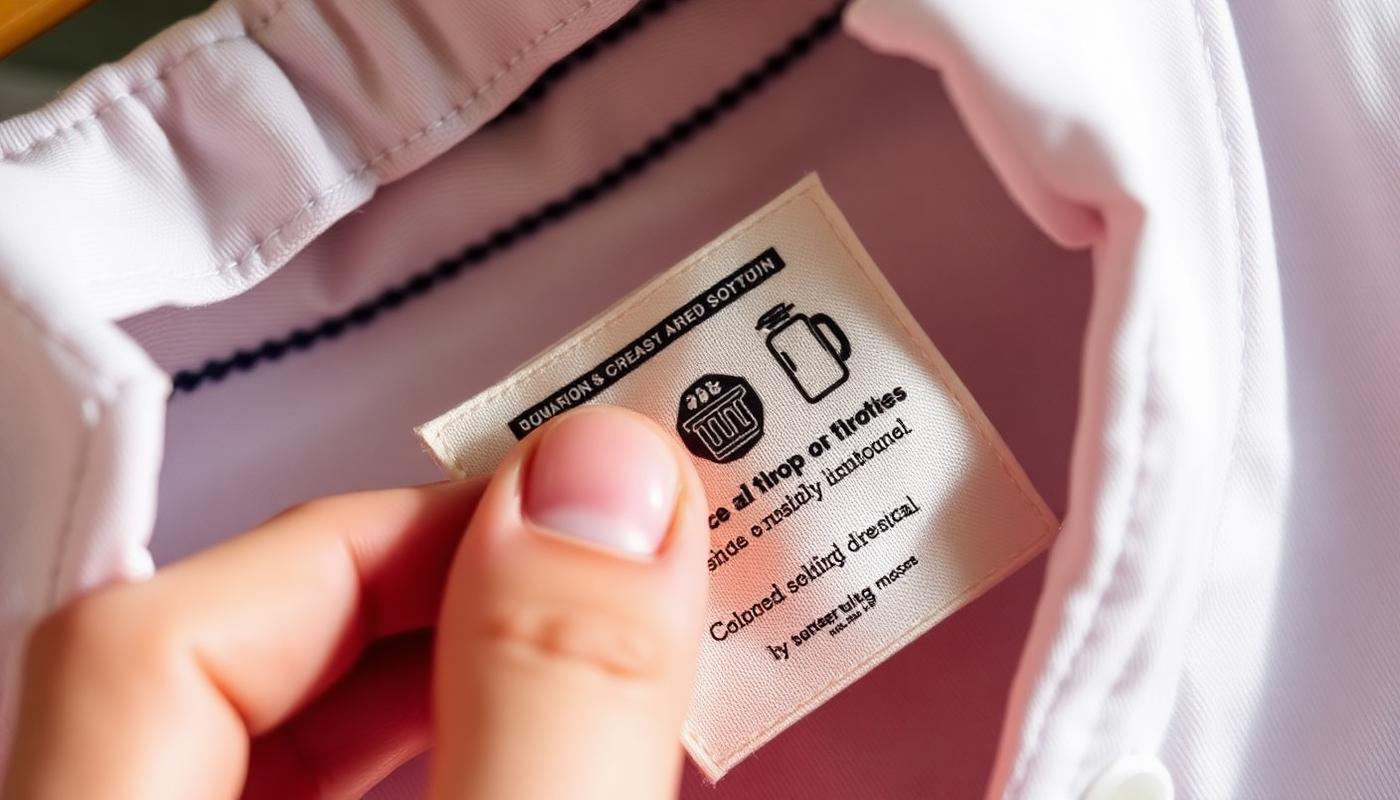
- Read the care labels. They state the safe wash temperature, cycle and drying method for that exact garment.
- Use cold water. Cold washing is the single most effective way to stop fibres contracting.
- Air dry whenever you can. Removing dryer heat removes most of the shrinkage risk. Dry knits flat so they hold their shape.
- Use low heat if you must tumble dry. Choose a low or delicate setting and remove garments while slightly damp.
- Do not overload the machine. Clothes need room to move; crowding increases friction and agitation.
- Use gentle cycles and mild detergent. Harsh products weaken fibres over time and make them more fragile.
- Hand wash delicates. Wool, silk and rayon are far safer washed by hand in cool water.
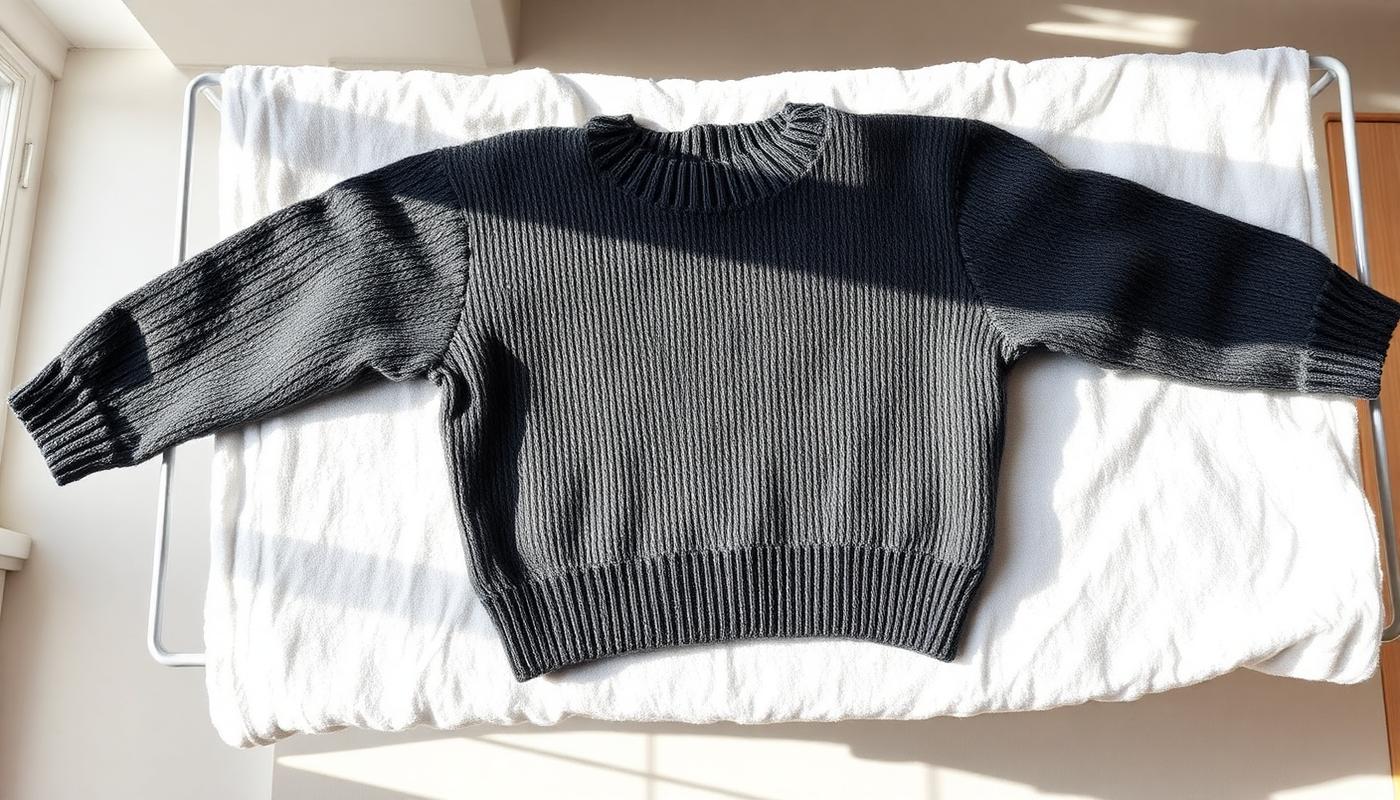
- Reshape while damp. Gently pull knitwear back to its natural dimensions before laying it flat.
Can you unshrink clothes?
Sometimes, partially. For cotton or a cotton blend, soak the garment in lukewarm water with a little hair conditioner or baby shampoo for around 30 minutes, then gently stretch it back towards its original shape and dry it flat. Wool that has felted is far harder to recover, and structured or tailored items rarely respond at all.
Shrinkage mistakes that ruin clothes
| Common mistake | Why it causes shrinkage | Better approach |
|---|---|---|
| Hot wash "for hygiene" | Heat contracts natural fibres immediately. | Cold wash with a quality detergent. |
| High-heat drying | The biggest single cause of shrunken clothes. | Air dry, or tumble on low. |
| Overloading the drum | Extra friction tightens fibres. | Wash smaller loads. |
| Machine washing wool | Agitation causes permanent felting. | Hand wash cold, dry flat. |
| Hanging heavy knits | Distorts the garment as it dries. | Dry flat on a towel. |
| Ignoring the care label | The method may be wrong for the fibre. | Read the label first, every time. |
Frequently asked questions
The bottom line: control the heat, keep the fit
Preventing shrinkage is not complicated. Wash cold, dry gently, don't overload, and follow the care label. Those four habits protect almost every garment in your wardrobe.
For the pieces you can't afford to get wrong — suits, knitwear, silk and formalwear — professional cleaning is the safest option. Dryz offers pickup and delivery dry cleaning and laundry across Melbourne, so your clothes come back clean, pressed and exactly the size you left them.