Fabric softener is one of the easiest ways to make laundry feel noticeably better — softer to the touch, calmer under static, and finished with a light scent. But pouring it into the machine and hoping for the best isn't quite the same as using it properly, and the wrong amount or the wrong fabric can undo the benefit entirely.
This guide walks through what fabric softener actually does, the three main ways to apply it, and the small habits that keep it working in your favour instead of against it.
What fabric softener does, and the three ways to add it
Fabric softener, sometimes called fabric conditioner, is a laundry add-on that coats the surface of your fibres with a thin conditioning layer. That coating smooths rough spots between fibres, which is what makes clothes feel softer, cuts down on the static cling that follows a hot dryer cycle, and leaves behind a light fragrance. It also reduces the friction that wears fabric down wash after wash, so garments can hold up a little longer.
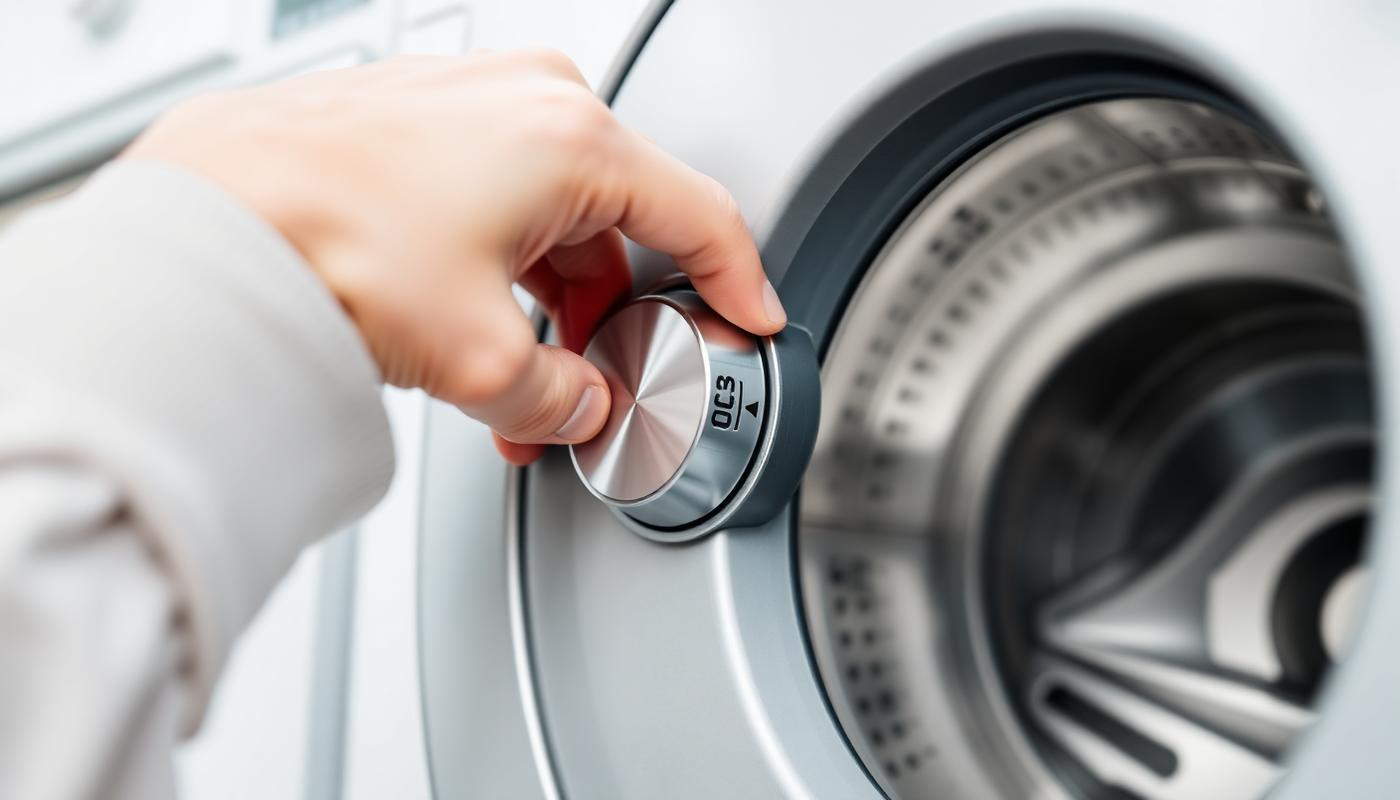
There isn't one single "fabric softener" — three different formats do the same basic job in different ways, and each suits a slightly different laundry routine.
Liquid Softener
Added during the wash or rinse cycle. Penetrates deep into fabric for a strong softening effect, but easy to overpour.
Deep softeningDryer Sheets
Thrown in with the dryer load. The sheet's coating melts under heat, cutting static and adding scent as it goes.
Easiest to useDryer Balls
Reusable wool or plastic balls that bounce through the load, separating clothes so hot air moves through faster.
Chemical-freeWhen to use fabric softener — and when to skip it
Fabric softener suits most everyday loads: it keeps clothes soft, cuts down on wrinkles and makes ironing easier. A few fabrics and garment types do better without it, though.
| Item | Why softener works against it | Better approach |
|---|---|---|
| Athletic wear | The conditioning coating clogs the fabric's pores, blocking the moisture-wicking it's designed for. | Wash without softener; use a sports-specific detergent instead. |
| Towels | Softener builds up on the fibres over time and reduces how much water they can absorb. | Use it sparingly, or skip it every second or third wash. |
| Waterproof or water-resistant fabrics | The coating interferes with the fabric's own water-repelling finish. | Follow the garment's care label; avoid softener entirely. |
How to use liquid fabric softener
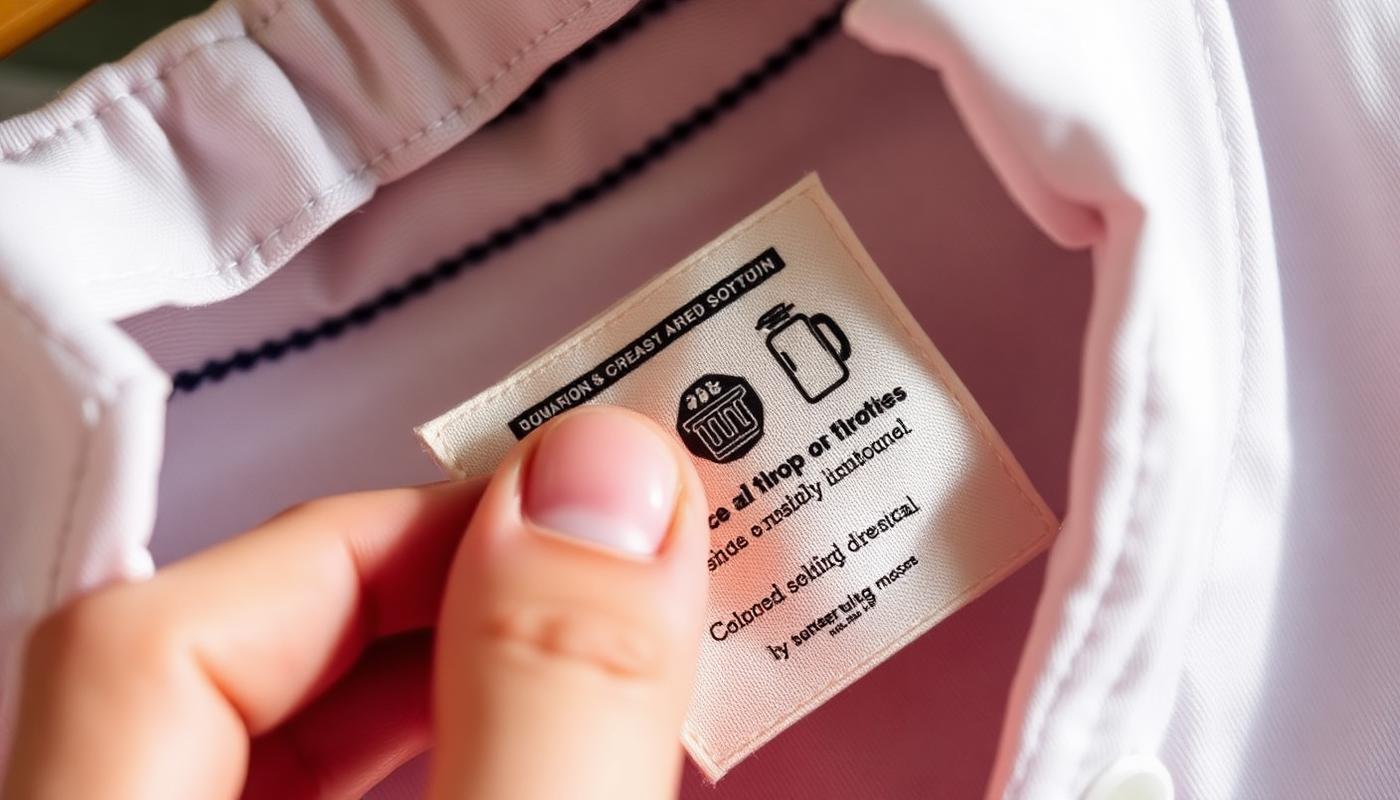
- Use the dispenser drawer. If your washer has a fabric softener compartment, pour the liquid there. Without one, add it directly to the water once the rinse cycle begins.
- Measure it out. Too much leaves a residue on clothes and inside the machine; too little barely does anything. Most bottles come with a measuring cap — use it.
- Match the cycle to the fabric. Cold water suits delicate items and dark colours best, helping prevent both fading and shrinkage.
How to use dryer sheets
- Load the dryer without crowding it. An overstuffed drum stops the sheet's coating from reaching every garment evenly and slows drying overall.
- Toss in one or two sheets. Add them on top of the wet clothes before starting the cycle — the dryer's heat activates the softening agents.
- Pick the right heat. Lower settings suit delicates; higher heat is fine for heavier items like towels and jeans.
How to use dryer balls
- Load your wet laundry as usual. No extra prep needed beyond a normal dryer load.
- Add two or three balls. They'll move through the load during the cycle, helping soften fabric and shake out wrinkles.
- Keep an eye on drying time. Dryer balls speed up drying, so check clothes a little earlier than usual to avoid over-drying and the shrinkage that can come with it.
Tips for getting the most out of fabric softener
A few small habits make a bigger difference than switching brands.
- Never pour liquid softener directly onto clothes. Neat softener can stain fabric — always dilute it in the dispenser or add it once the rinse water is already running.
- Use less than the cap suggests. Overuse is the single biggest cause of softener residue, on clothes and inside the machine.
- Consider a natural alternative. If residue or fragrance sensitivity is a concern, a distilled white vinegar rinse or wool dryer balls can stand in for conventional softener.
Fabric softener mistakes that hurt more than they help
| Common mistake | Why it's a problem | Better approach |
|---|---|---|
| Pouring softener straight onto fabric | Concentrated liquid can leave permanent grease-like stains. | Add it to the dispenser or diluted rinse water. |
| Using it on every towel wash | Residue coats the fibres and cuts their absorbency over time. | Use sparingly, or skip it periodically. |
| Softening activewear | Clogs the moisture-wicking pores the fabric depends on. | Wash activewear without softener. |
| Overfilling the dispenser cap | Leads to buildup in the machine and on clothes. | Measure to the fill line, not by eye. |
| Never cleaning the dispenser or lint trap | Old residue transfers onto fresh laundry. | Wipe down the dispenser and empty the lint trap regularly. |
Frequently asked questions
The bottom line: use it, but use it lightly
Fabric softener is a simple upgrade to an ordinary laundry load, not a product that needs much thought once you know the basics. Measure it, match the format to the load, and skip it on activewear, towels and water-resistant fabrics. Those habits are the difference between soft, fresh laundry and a residue problem down the line.
For the loads you'd rather not think about at all, Dryz offers pickup and delivery laundry and dry cleaning across Melbourne — every load is cared for properly, softener included, without you having to measure a thing.