There is nothing quite like a crisp white shirt, a pair of linen trousers or a stack of fresh white towels. And there is little more disappointing than watching them slowly turn dull, grey or faintly yellow.
The change is rarely sudden. A little residue builds up with each wear and wash, and one day the white looks tired next to a new piece. The encouraging part is that, in many cases, whiteness can be restored. With the right order of steps, patience and a gentle hand, dull whites can often be brought back without damaging the fabric.
Why whites lose their brightness
Whites rarely fade; they accumulate. The usual causes are:
- Body oils, sweat and deodorant residue, which build up in the underarms and collar and turn yellow with time and heat.
- Too little detergent or too short a cycle, which leaves soil in the fibres to dull the fabric gradually.
- Mixed loads, where loose dye from a coloured item can leave whites looking grey.
- Mineral deposits from hard water, which can give fabric a flat, dingy look in some areas.
- Storage and age, as residues oxidise in a closed wardrobe, and as some fabrics simply yellow over time.
Understanding the cause matters, because yellowing, greying and dullness respond to slightly different treatments. A garment that has permanently yellowed from age or damage cannot be fully restored, but residue and build-up can usually be improved.
Restore dulled whites: six considered steps
This method suits washable white cotton and linen. Before you begin, check the care label and test the whitener on a hidden seam.
- Inspect and sort. Look at where the dullness sits. Underarms, collars and cuffs usually need extra attention. Wash whites only with other whites.
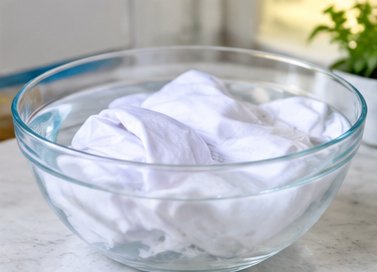
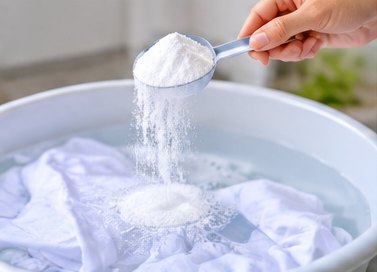
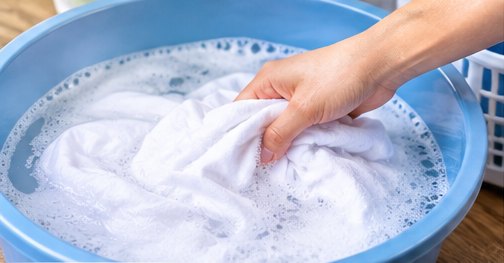
- Soak. Fill a clean basin or bowl with water at the warmest temperature the care label permits, ready for an oxygen-based whitener.
- Add the whitener. Dissolve an oxygen-based laundry whitener in the water according to the product directions, then submerge the garment fully. Leave it for the time recommended on the pack.
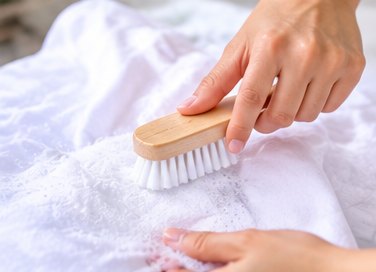
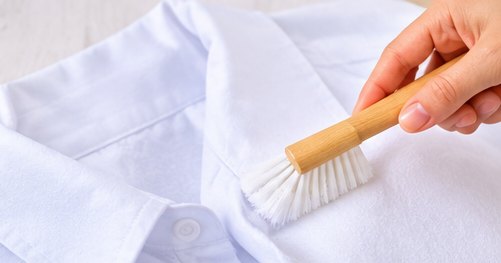
- Work stubborn areas gently. Lift out the garment and use a soft brush or your fingertips on collars and underarms with light, small strokes.
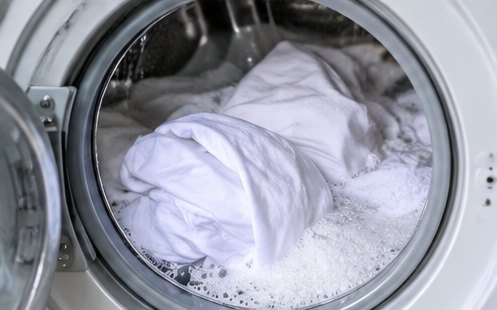
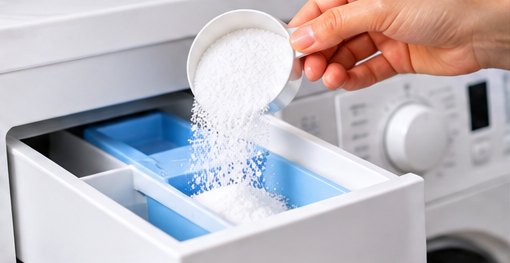
- Wash properly. Launder with a measured dose of detergent suited to whites, at the temperature the label allows. Do not overload the machine, which prevents proper rinsing.
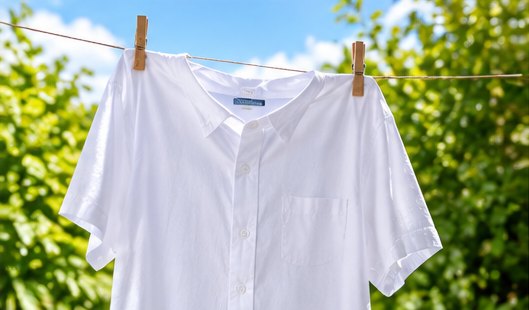
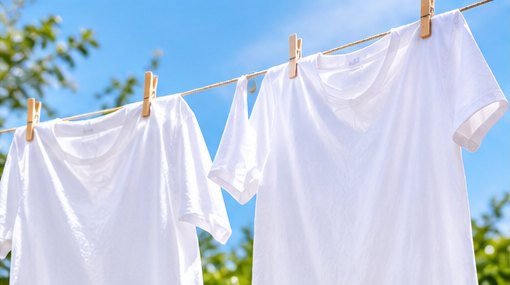
- Dry in fresh air. Hang to dry in the shade or gentle sun. Inspect in daylight before ironing or any heat.
Targeted fixes: underarms, collars and all-over greying
Different problems need different attention. Choose the one that matches what you see.
Yellowed underarms and collars
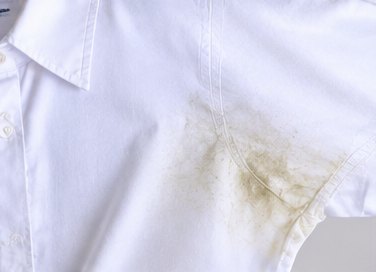
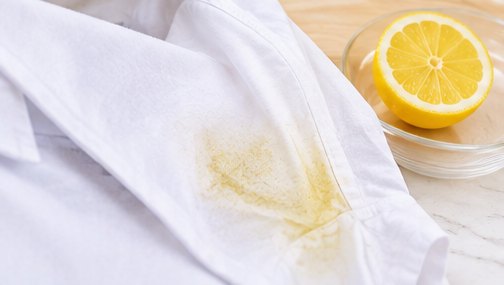
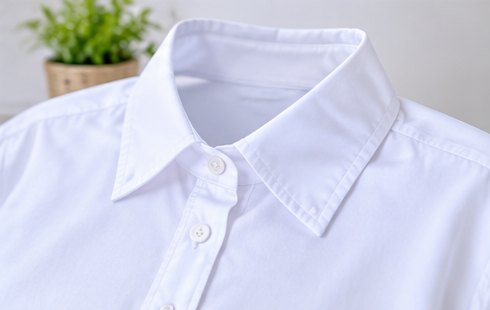
These marks are usually a mix of sweat, body oils and deodorant. Pre-treat the area with a small amount of dishwashing liquid or a laundry stain remover, work it in gently with a soft brush, leave it for 30 minutes, then soak in an oxygen-based whitener and wash. Two or three rounds are not unusual for an older mark.
All-over greying
A dingy look across an entire garment or load is commonly detergent build-up or dye transfer. Rewash the whites on their own with a correctly measured dose of detergent, then soak in an oxygen-based whitener if needed. Rinse thoroughly.
A small yellow spot
For a small spot on white cotton or linen, some people use fresh lemon juice and then dry the garment in gentle sunlight. It can brighten a mark, but it is mild and unreliable, and the acid can affect finishes. Test first, rinse well and do not leave it on the fabric for long.
Know your fabric first
The care label, not the price, decides what is safe. The finer the fabric, the more cautious the approach should be.
| Fabric | First step | Avoid |
|---|---|---|
| White cotton & linen | Pre-treat, oxygen-based soak, measured wash | Overloading and harsh scrubbing |
| Towels & bed linen | Wash separately; ensure thorough rinsing | Too much detergent or softener |
| Polyester & blends | Gentle wash; oxygen-based whitener if the label allows | High heat, which can hold yellow in |
| Silk & wool | Seek an assessment | Bleach, hot water and soaking |
| Tailoring & dry-clean-only | Do not treat at home | Water, brushing and home remedies |
Mistakes that dull whites
- Mixing whites with coloured items. Even a small amount of loose dye can leave a grey cast.
- Underdosing or overdosing detergent. Too little leaves soil behind; too much leaves residue.
- Overloading the machine. Garments need room to move and rinse.
- Ironing or tumble drying a stain. Heat sets yellow marks.
- Storing garments unwashed or damp. Residue oxidises over time.
Keeping whites bright
The most elegant solution is routine. Rinse well, wash whites together, and treat collars and underarms before they discolour. Allow garments to dry fully before storing, and keep them folded in a clean, airy wardrobe rather than pressed against coloured pieces.
When to ask a professional
Some pieces are simply too valuable to experiment on. If the garment is silk, wool, structured tailoring or dry clean only, if its trims or buttons are delicate, or if the whiteness has not improved after several careful attempts, a specialist assessment is the safest choice. A professional can identify the fabric and choose a method that does not risk the finish.
Tell your cleaner what you have already tried. No one can promise that every aged or yellowed garment will return to its original white, but honest information gives the best chance.
Frequently asked questions
Can yellowed white clothes be made white again?
Often, yes, where the yellowing is from residue, sweat or build-up. A pre-treatment, an oxygen-based soak and a proper wash can make a clear improvement. Permanent damage or age-related yellowing may not fully reverse.
Is chlorine bleach the best way to whiten clothes?
Not necessarily. It can weaken fibres and can make sweat yellowing worse. An oxygen-based whitener is generally gentler for washable cotton and linen. Always follow the product directions and the care label.
Does sunlight really whiten clothes?
Drying in fresh air and gentle sun can help keep whites looking fresh. Avoid prolonged strong sun on delicate fabrics, elastic and any trims.
Why do my whites turn grey?
Commonly because of detergent build-up, overloaded cycles, mixed loads or dye transfer. Washing whites separately with a correctly measured dose usually helps.
Does Dryz collect across Australia?
Dryz advertises pickup and delivery in Melbourne. Check your postcode on its website; nationwide collection is not established by this guide.
A wardrobe, thoughtfully cared for
Caring for your clothes should feel as considered as choosing them. A calm, patient approach brings most everyday whites back to life, and knowing when to step back protects the pieces that matter most.
Dryz offers Melbourne pickup-and-delivery dry cleaning and laundry, including wash-and-fold and wash-and-iron services. Check your postcode and ask about the specific garment before booking. For silk, wool, tailoring or whites that have not responded to your efforts, share the care label and what you have tried so the team can advise on suitable handling.